Burnout Recovery Coach and Workforce Performance Consultant Across the United States


Recover From Burnout Without Sacrificing Success
Helping professionals recover from burnout and helping organizations reduce workplace burnout through sustainable performance strategies that support long-term success.
For Professionals
For Organizations
Consultant • Speaker • Author • Trainer
Trusted Across Healthcare, Behavioral Health & Organizational Leadership
Burnout is No Longer an Individual Problem - It's a Workforce Performance Crisis
High-achieving professionals are exhausted.
Organizations are losing experienced employees faster than they can replace them.
Leaders are being asked to maintain performance inside systems that are no longer sustainable.
Workplace burnout affects...
Employee retention.
Organizational culture.
Leadership capacity.
Healthcare costs.
Productivity.
Long-term workforce stability.
The traditional model of success - pushing harder, working harder, and sacrificing personal well-being is breaking people and weakening organizations.
Sustainable performance requires a different apprach.
Trusted Burnout Recovery & Workforce Performance Expert

Deidre Gestrin
Consultant, Speaker, Author, & Trainer
With over 20 years specializing in stress, trauma, burnout recovery, and behavioral health leadership, Deidre Gestrin helps professionals and organizations create sustainable performance without sacrificing health, purpose, and people.
Deidre is also the author of:
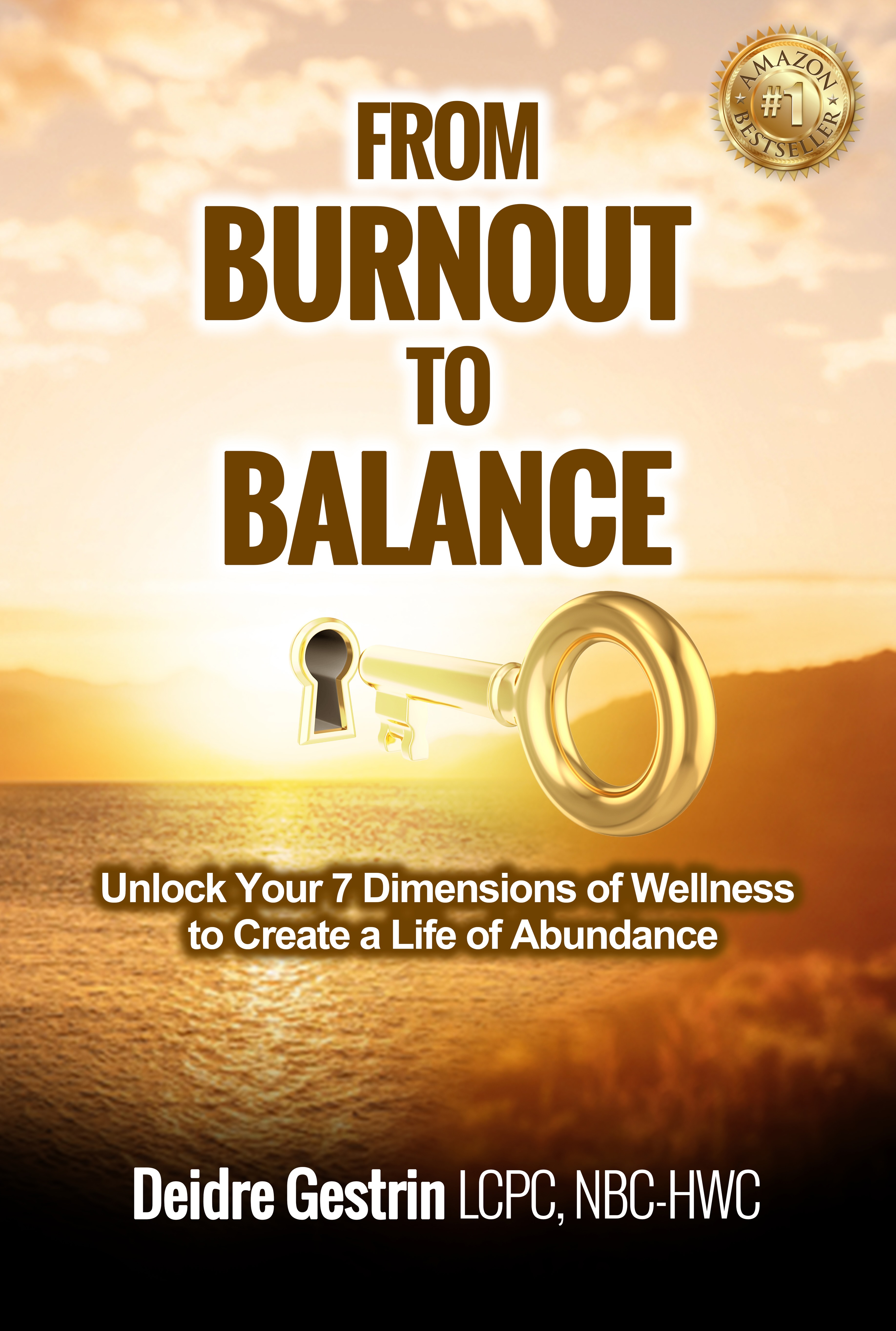
From Burnout to Balance: Unlock Your 7 Dimensions of Wellness to Create a Life of Abundance
Trusted Across Clinical and Organizational Settings
Experience includes behavioral health leadership with a focus on developing high-performing teams, strengthening workforce resilience, and enhancing clinical supervision.
Expertise in program design, system optimization, and telehealth enables scalable, efficient care delivery that supports both organizational performance and individual well-being.
Helping Professionals & Organizations Recover, Stabilize, and Perform Sustainbly
Healthcare professionals, executives, entrepreneurs, and high-achievers experiencing burnout, chronic stress, compassion fatigue, emotional exhaustion, loss of purpose, and work-life imbalance.
Healthcare and behavioral health organizations struggling with employee burnout, turnover, disengagement, unstable workforce performance, leadership strain, and rising operational costs.
High Pressure teams seeking healthier workplace culture, stronger communication, sustainable performance systems, leadership resilience, and workforce stability.
Burnout Recovery for High-Achieving Professionals
Burnout doesn't just affect your work.
It affects your energy, focus, relationships, sleep, health, and sense of purpose.

Through the The Sustainable Performance Method™, professionals learn how to:
restore energy without stepping away from their carer
regulate chronic stress and overwhelm
reconnect with purpose and clarity
create success without sacrificing their health or family
Organizational Burnout Consulting for Sustainable Workforce Performance
Burnout inside organizations leads to higher turnover, disengaged employees, leadership fatigue, increased insurance costs, and operational instability.

Through the The Sustainable Workforce Method™, organizations learn how to:
strengthen leadership systems
improve team cohesion & reduce workforce burnout
stabilize operational performance
build healthier workplace culture
Real Results From Professionals & Organizations

"Deidre was able to help me get my clinical spark back!"
Beth Derickson
LCSW | Missouri

"I feel like I’m at a 90% success rate now."
Chris Grad
Business Owner, Entrepreneur | Idaho

"Deidre helped me get to the point where I am today."
Michelle Schmutzler
Psychiatric Tech Worker |
Idaho
Sustainable Success Shouldn't Require Self-Sacrifice
Whether you're a professional trying to recover from burnout or an organization working to stabilize workforce performance, sustainable success is possible.
The Sustainable Performance Method™
(Burnout Recovery for Professionals)
The Sustainable Workforce Method™
(Organizational Consulting)
Don't Miss Out!
Workplace Burnout & Sustainable Performance Resources
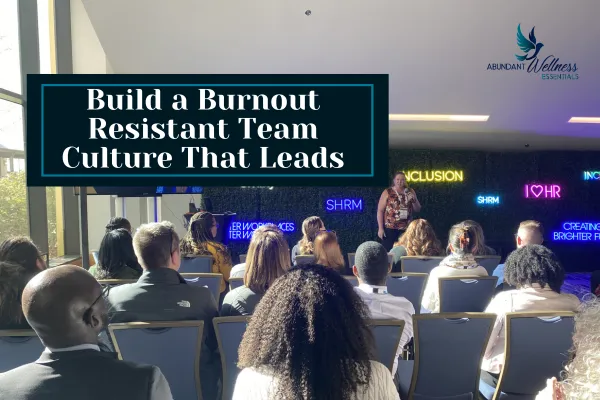
Build a Burnout-Resistant Team Culture That Lasts
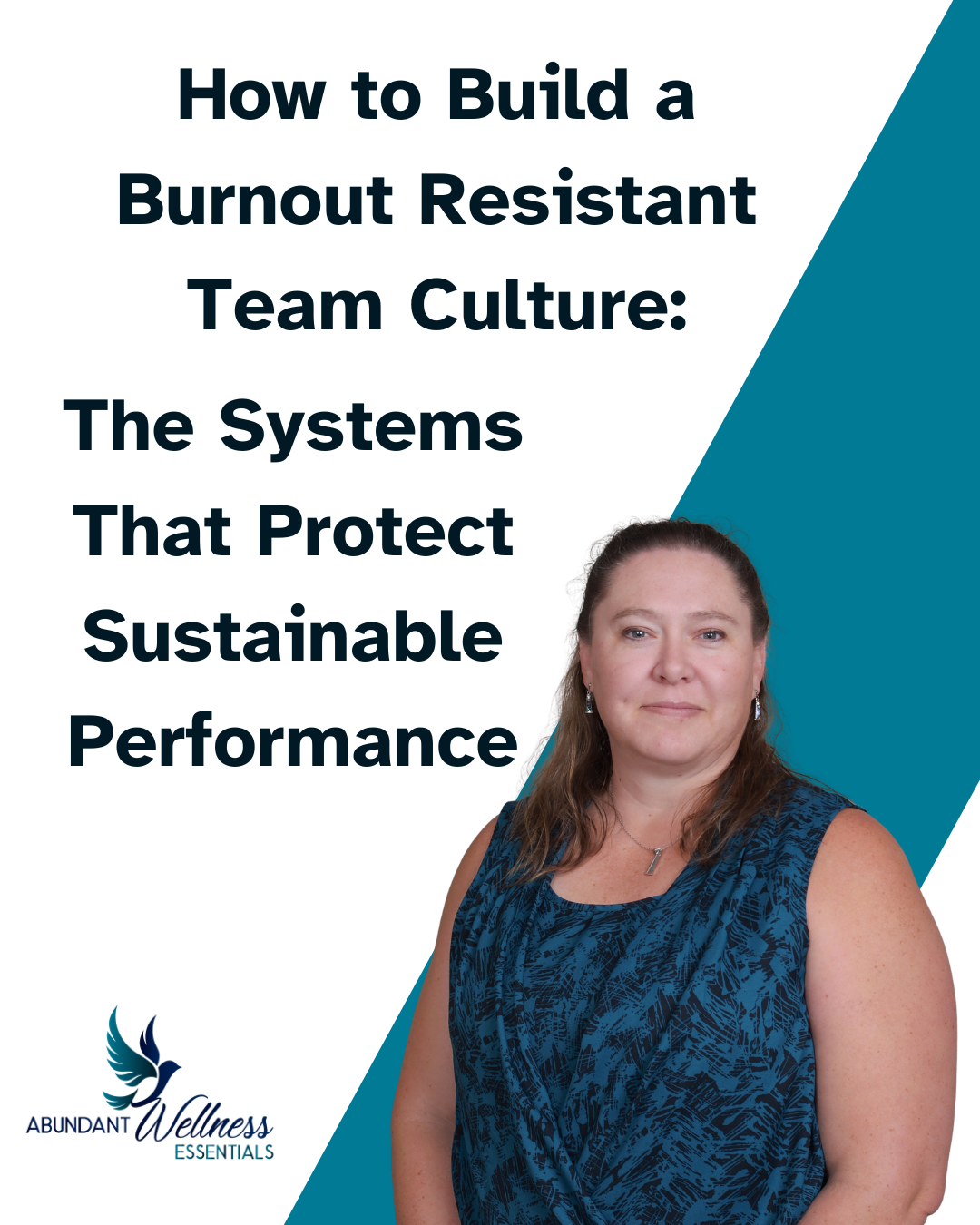
How to Build a Burnout-Resistant Team Culture: The Systems That Protect Sustainable Performance
Some teams stay resilient even under intense pressure. Others crumble at the first sign of a tough quarter.
The difference? It isn't talent. It isn't grit. It isn't the perks.
It's the system.
Burnout-resistant cultures are intentional. They don't happen by accident, and they don't form because a leader hopes their team will figure it out. They're designed by leaders who understand that sustainable performance requires systems that protect people.
If you missed the article 1 on how culture quietly kills the workplace or article 2 on stabilizing overwhelmed teams, I'd encourage you to start there. Today, we're building forward: how to design a culture that actually resists workplace burnout instead of slowly producing it.
Why Workplace Culture Impacts Employee Health More Than Any Wellness Perk
Here's a truth I've watched play out over 20 years in executive leadership: the strongest predictor of sustainable performance isn't talent, technology, or strategy. It's culture.
In healthcare especially, organizations don't exist without their clinicians. Without the people doing the work, there is no profit, no service, no mission. So when leaders build systems that grind people down, the entire business model is at risk, not just employee wellness.
To protect long-term performance, you have to protect the people creating it.
What a Burnout-Resistant Culture Actually Looks Like
A burnout-resistant culture isn't a vibe. It's a set of intentional design choices. Here's what they include:
1. Clear expectations and priorities. Without them, nothing meaningful gets done. Employees waste energy guessing what matters most, and that guessing alone fuels long-term stress.
2. Real psychological safety. People speak up when they feel safe. They stay silent when they fear repercussions. The honesty you need to keep your company moving forward only exists in cultures where speaking up is genuinely welcomed.
3. Leaders who support and model rest and recovery. When an employee needs to leave early for their kid's game, what's the response? When someone takes their full lunch break, are they admired or quietly judged? The answer is your culture.
4. Balanced workload distribution. This is where high-achiever burnout is born. We pile more on the high performer because they "get it done." Then we wonder why they're exhausted, resentful, or quietly job-hunting. Reward high performers with recognition, time off, and growth, not more work.
How Leader Behaviors Strengthen, Or Destroy, Culture
Every interaction you have either builds the culture you want or erodes it. The strengthening behaviors:
Transparent decision-making. Share what's coming, even when you don't have every detail. Explain the why behind decisions.
Regular feedback AND recognition. Don't just correct, recognize. People need to know their strengths, not just their gaps.
Modeling sustainable work practices. Take your lunch. Leave on time. Yes, late nights happen, but they cannot be the status quo.
Encouraging collaboration over competition. When teammates lift each other up, everyone rises together. Internal competition is a culture killer.
Structural Systems That Reduce Workplace Burnout
To create a positive workplace culture that's actually burnout-resistant, build these structural systems in:
Defined roles and responsibilities - and maintain that clarity even as projects shift.
Reasonable workload expectations centered on top priorities, not every project on the list.
Built-in recovery AND reflection time. A 5-minute pause. A 20-minute lunch walk. Time away from the task lets the brain process, that's where insights come from.
Consistent communication expectations. Daily updates? Weekly meetings? Whatever it is, make it predictable. Employees shouldn't have to guess when they'll be asked for information.
A note on AI: AI is a powerful tool, and it has a place in rebalancing workloads. But it cannot replace human connection or psychological safety. Use it to streamline, not to replace the human holding the role.
Help Employees Thrive by Designing Culture On Purpose
Here's what most leaders miss: culture forms whether you design it or not. Everything has a culture. The only question is whether yours is positive or negative, healthy or toxic.
You shape culture through everyday decisions. Every interaction. Every priority you set. Every behavior you reward or tolerate. Every break you take, or don't.
If you want a burnout-resistant team, you have to design it on purpose, then live inside it as a leader. You can't build the system from the outside, you have to be part of it.
When You're Ready to Go Deeper
Because culture is the strongest predictor of sustainable performance, I wrote Workplace Burnout and the Bottom Line, a research-backed paper for leaders. It breaks down how burnout impacts your organization's financial bottom line, employee performance, and what leaders can actually do to prevent it.
It's free. And it's built specifically for leaders ready to stop reacting to burnout and start designing cultures that prevent it.
👉 Grab the Free White Paper Below
Because building a culture where employees thrive isn't a soft initiative. It's the smartest business decision you'll make this year.

As Seen In


© 2026 Abundant Wellness Essentials. All Rights Reserved.