Financial Cost of Employee Burnout | True ROI Analysis
The Financial Cost of Burnout:
How Employee Exhaustion Devastates Your Bottom Line
Burnout is not just a wellness issue, it is a financial crisis hiding in plain sight. While compassion for employee wellbeing matters, the hard truth is that workplace burnout devastates your bottom line through multiple channels: skyrocketing health insurance premiums, surging workers' compensation claims, recruitment and training costs from turnover, and lost productivity. This article quantifies the financial impact and proves why investing in burnout prevention is a sound business strategy.
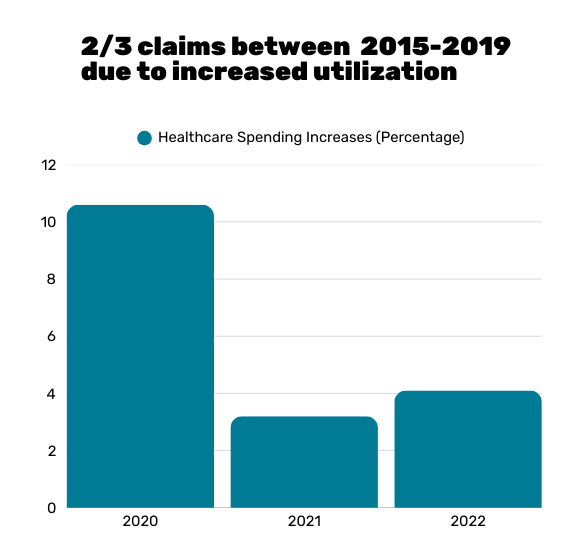
Healthcare Spending Increases
According to the Centers for Medicare and Medicaid Services Office of the Actuary (2023), healthcare spending has increased dramatically in recent years. These increases directly correlate with burnout related health conditions. When employees experience chronic stress, they develop cardiovascular disease, diabetes, depression, and other costly conditions requiring ongoing medical care.
Your health insurance premiums rise accordingly, creating a direct financial link between employee burnout and organizational costs.
Health Insurance Premium Increases
CAP20 (2022) documented steady premium increases from 2010 to 2022:
• Individual coverage: $225 per year increase
• Family coverage: $700 per year increase
For an organization with 100 employees, half single, half with families; this translates to an additional $46,250 annually in premium costs. Over a decade, that is nearly half a million dollars in increased insurance expenses alone.
Why Premiums Keep Rising
The Roundstone Team (2024) identified key factors driving premium increases:
• Medical inflation
• Aging population
• Technology advances
• Administrative costs and overhead
• Profit margins
• Government regulations and policies
• Risk pooling for chronic diseases: High blood pressure, diabetes, high blood sugar, headaches, sleep issues, all directly linked to burnout
That last factor, risk pooling for chronic diseases, is where burnout's financial impact becomes undeniable. When your workforce experiences chronic stress, they develop these exact conditions. Insurance companies assess your risk pool, see high utilization for burnout related conditions, and increase your premiums accordingly.
Workers' Compensation Crisis
Workers' compensation claims represent another massive financial drain directly connected to burnout. Carrier Chronicles (2024) reported a surge of new claims between 2015 and 2019, with particularly concerning trends among newer employees.
The New Employee Problem
40% of workers with less than one year of experience filed workers' compensation claims. When organizations experience high turnover due to burnout, they constantly hire new workers who lack experience, proper training, and workplace resilience, creating a perfect storm for injuries.
Five Most Common Injuries
Five common injuries associated with workers’ compensation include strains and sprains, cuts or punctures, contusions, inflammation, and fractures.
Several health conditions lead to or affect the severity of injury or illness including cardiovascular disease, depression, obesity, type 2 diabetes, arthritis, high blood pressure, and sleep which is the leading cause of transportation safety incidents.
Risk Factors Linked to Burnout
Burdick (2019) identified multiple factors impacting workers' compensation claims, many stemming from burnout:
• Lack of exercise
• Obesity
• Stress management
• Smoking
• Sleep disorders
• Age: younger take risks
• Work behavior and compliance issues
• Conscientiousness
• Resilience
• Workplace stress and work conditions
The COVID-19 Financial Catastrophe
The American Hospital Association (2021) documented the staggering financial toll:
• $24 billion cost to hospitals due to staffing shortages
• 15.6% increase in labor expenses
• 3% decrease in full-time staff
• 6% increase in patient acuity
Case Study: Fred's Profitability Turnaround
Fred was struggling to increase the company's financial bottom line. The company was bleeding red. He felt discouraged and frustrated because the company was losing money. When I met Fred at an Unleash Employee Potential Consultation Session, he was at the end of his rope and thought he would never be able to solve the problem.
The Challenge: Hidden Costs of Employee Burnout
Fred's organization had 1,000 employees and was experiencing a 15% annual turnover rate driven primarily by employee burnout. While Fred knew turnover was costly, he hadn't fully quantified the financial impact.
Understanding the True Cost of Turnover
The replacement cost of 1.5 to 2 times the annual salary includes three major categories:
Direct Costs: Recruiting expenses, job advertising, background checks, interview time, and onboarding materials. Industry research shows these hard costs average $4,700 per hire.
Indirect Costs: Lost productivity during the vacancy period, reduced productivity during new employee ramp-up (typically 6-12 months), training time from managers and colleagues, and knowledge loss when experienced employees depart. These costs often exceed direct recruiting expenses.
Strategic Costs: Decreased team morale, disrupted team dynamics, delayed projects and missed deadlines, reduced innovation, damaged employer brand, and lower customer satisfaction. While harder to quantify, these costs significantly impact long-term competitiveness.
Calculating Your Organization's Burnout Cost
Health Insurance Premium Increases
Annual cost = (Number of single employees × $225) + (Number of family employees × $700)
Example: 50 single + 50 family = $11,250 + $35,000 = $46,250 annually
Turnover Costs
Replacement cost per employee = 1.5 to 2 times the annual salary (average 1.5x)
Example: If 10 employees earning $50,000 leave annually = $750,000 in turnover costs
Workers' Compensation
Average cost per claim: $15,000-$50,000
Example: 5 claims at $25,000 average = $125,000 annually
Total Burnout Cost
• Health insurance increases: $46,250
• Turnover costs: $750,000
• Workers' compensation: $125,000
• Total annual cost: $921,250
The Solution: Strategic Investment in Employee Wellbeing
Fred almost didn't reach out because it meant spending more money. While talking to Fred, I discovered that his top constraint was poor employee retention driven by burnout, and I made three simple recommendations focused on addressing the root causes:
1. Review and simplify infrastructure to improve operational efficiency and reduce unnecessary workload on employees.
2. Improve employee company balance through flexible work arrangements, reasonable workload expectations, and adequate staffing levels to provide stability and longevity.
3. Support employees to decrease mental, emotional, and physical health challenges through enhanced benefits, wellbeing programs, and leadership training, leading to increased productivity and longevity.
Additionally, Fred implemented assessment tools, team building activities, and individual and corporate emotional intelligence training to increase profitability through improved collaboration and communication.
The Investment and Return
Fred invested $60,000 annually in a comprehensive burnout recovery and prevention program. The results were remarkable:

The Results
Fred implemented the plan and improved his financial bottom line. Reducing burnout driven turnover by just 30%, Fred's organization saved between $2.74 million and $5.54 million annually, representing a return of 46 to 92 times the initial investment of $60,000.
Beyond the direct cost savings, Fred's company experienced additional benefits that further improved profitability:
Increased productivity from engaged, well rested employees
Higher quality work and fewer errors
Improved customer satisfaction Improved retention and performance
Improved retention and performance
Enhanced employer brand making it easier to attract top talent
Stronger team cohesion and collaboration
Reduced healthcare costs from healthier employees
Now Fred feels encouraged and motivated because he finally has a cohesive team that is reliable. The company has moved from bleeding red to solid black, with sustainable profitability built on a foundation of employee wellbeing and engagement.
The Key Takeaway
What appeared to be an expense was actually one of the highest return investments Fred could make. The $60,000 annual investment in employee burnout prevention and recovery didn't just reduce turnover costs, it transformed the entire organization's culture, productivity, and bottom line.
When employees thrive, companies thrive. Fred's story demonstrates that addressing employee burnout isn't just the right thing to do, it's a smart business decision with measurable, substantial returns.
Every dollar spent on employee wellbeing and burnout prevention saves three to six dollars in healthcare costs, productivity losses, and turnover expenses.
There is Hope
The solution exists. Abundant Wellness Essentials transforms workplace burnout through a holistic approach that improves financial performance and minimizes costly compensation cases. When you partner with us, your team feels valued and your bottom line improves through reduced turnover, lower insurance premiums, and decreased workers' compensation claims. Positive organizational culture centered on healthy teamwork drives long-term retention, creating the stability your organization needs to succeed. Don't let burnout continue draining your resources.
Ready to stop the financial bleeding? Book a consultation at abundantwellnessessentials.com/consult
Next in This Series
In our next article, "Productivity Costs of Burnout," we examine how burnout affects daily operations: decreased output, increased errors, and the cascading effects of work overload. You will discover Joy's story of transforming an exhausted, error-prone team into a reliable, efficient workforce.
References
American Hospital Association. (2021). Data brief: Health care workforce challenges threaten hospitals' ability to care for patients.
Burdick, G. (2019, June). The root causes of workers' compensation claims. EHS Daily Advisor.
CAP20. (2022, May). Health insurance costs are squeezing workers and employers.
Carrier Chronicles. (2024, July). 8 factors contributing to record workers' compensation claims severity.
Centers for Medicare and Medicaid Services, Office of the Actuary. (2023, December). National health expenditures 2022 highlights.
Roundstone Team (2024, May). Why does your health insurance cost increase every year?