Burnout Recovery Coach and Workforce Performance Consultant Across the United States


Recover From Burnout Without Sacrificing Success
Helping professionals recover from burnout and helping organizations reduce workplace burnout through sustainable performance strategies that support long-term success.
For Professionals
For Organizations
Consultant • Speaker • Author • Trainer
Trusted Across Healthcare, Behavioral Health & Organizational Leadership
Burnout is No Longer an Individual Problem - It's a Workforce Performance Crisis
High-achieving professionals are exhausted.
Organizations are losing experienced employees faster than they can replace them.
Leaders are being asked to maintain performance inside systems that are no longer sustainable.
Workplace burnout affects...
Employee retention.
Organizational culture.
Leadership capacity.
Healthcare costs.
Productivity.
Long-term workforce stability.
The traditional model of success - pushing harder, working harder, and sacrificing personal well-being is breaking people and weakening organizations.
Sustainable performance requires a different apprach.
Trusted Burnout Recovery & Workforce Performance Expert
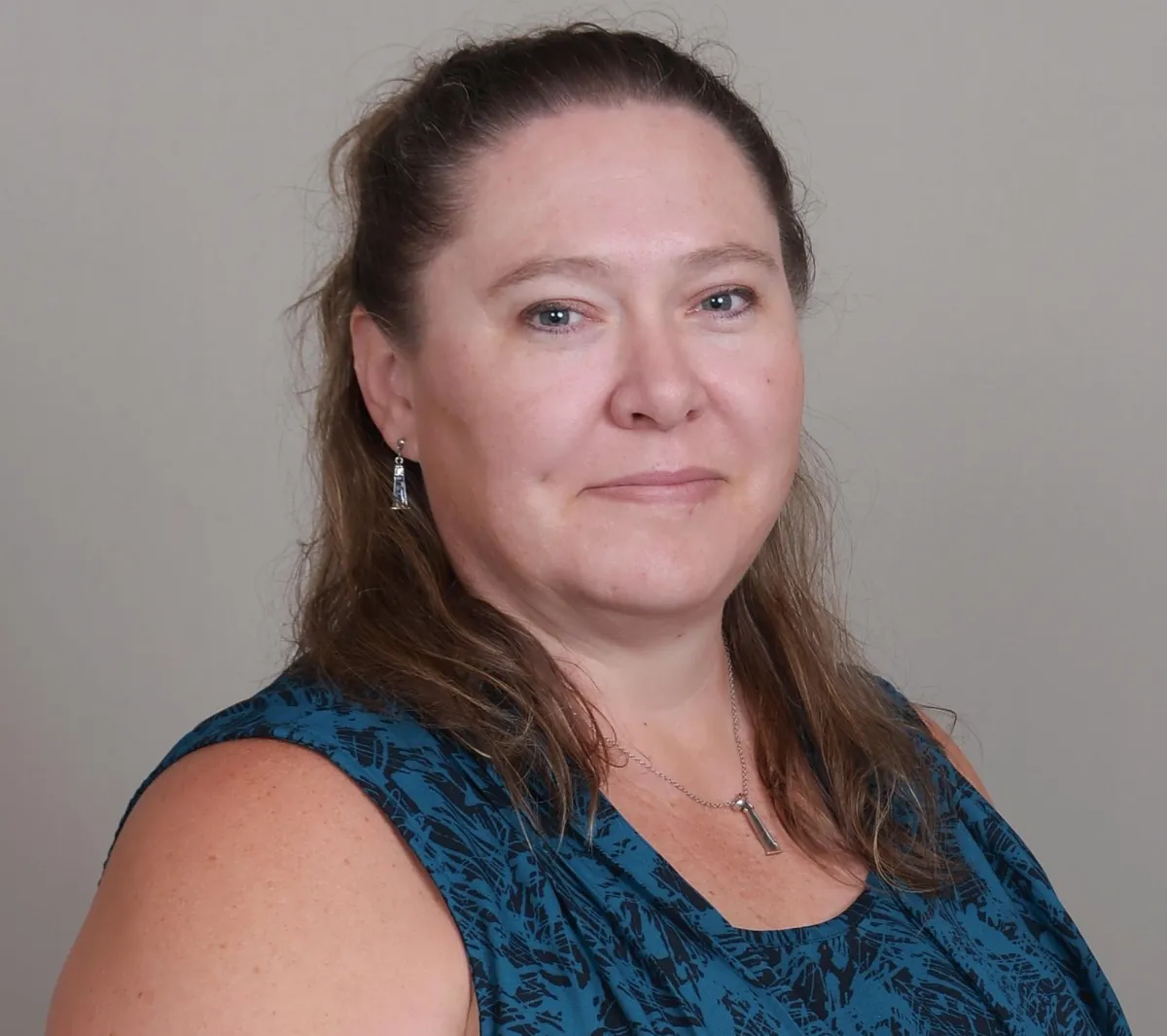
Deidre Gestrin
Consultant, Speaker, Author, & Trainer
With over 20 years specializing in stress, trauma, burnout recovery, and behavioral health leadership, Deidre Gestrin helps professionals and organizations create sustainable performance without sacrificing health, purpose, and people.
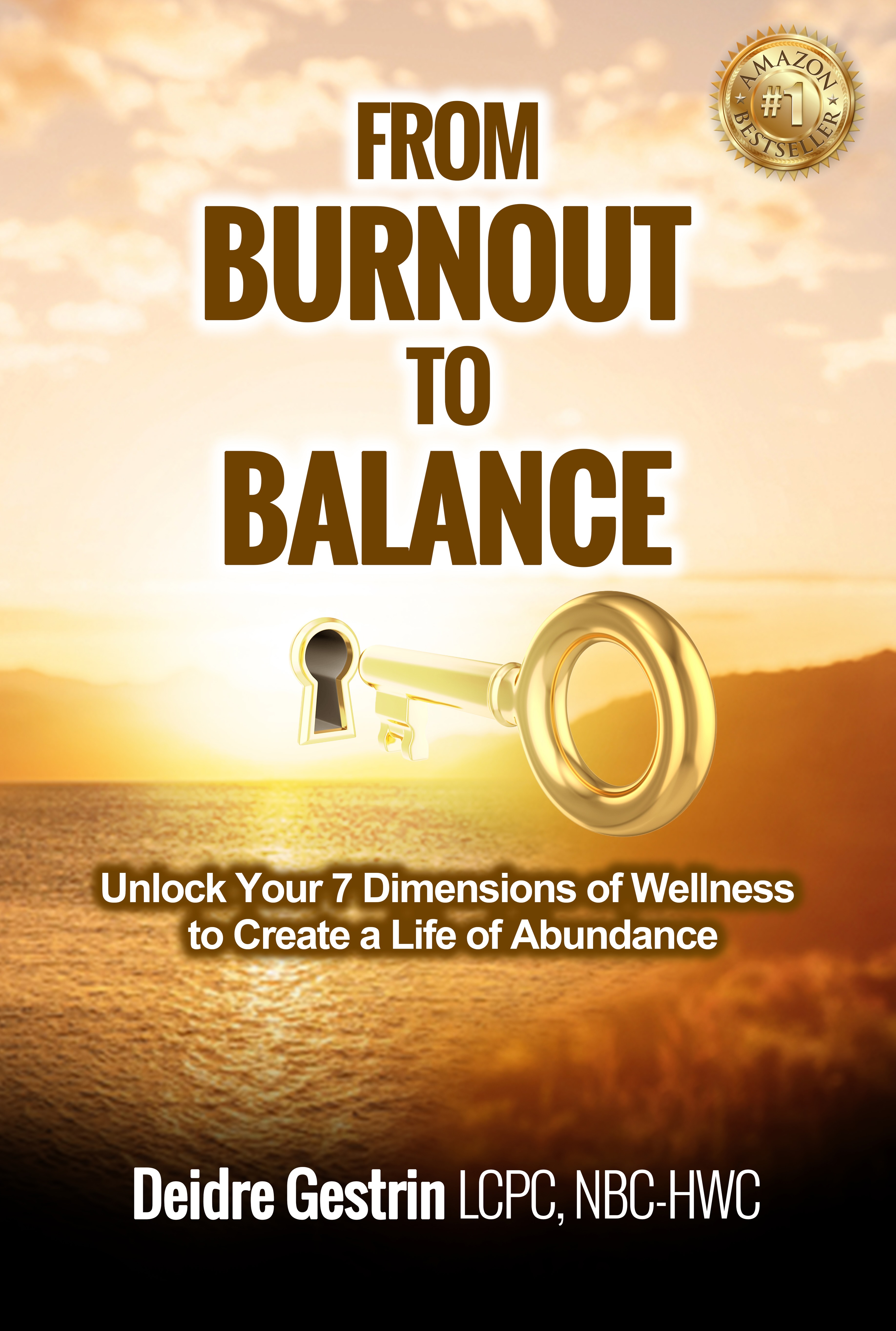
Deidre is also the author of:
From Burnout to Balance: Unlock Your 7 Dimensions of Wellness to Create a Life of Abundance
Trusted Across Clinical and Organizational Settings
Experience includes behavioral health leadership with a focus on developing high-performing teams, strengthening workforce resilience, and enhancing clinical supervision.
Expertise in program design, system optimization, and telehealth enables scalable, efficient care delivery that supports both organizational performance and individual well-being.
Helping Professionals & Organizations Recover, Stabilize, and Perform Sustainbly
Healthcare professionals, executives, entrepreneurs, and high-achievers experiencing burnout, chronic stress, compassion fatigue, emotional exhaustion, loss of purpose, and work-life imbalance.
Healthcare and behavioral health organizations struggling with employee burnout, turnover, disengagement, unstable workforce performance, leadership strain, and rising operational costs.
High Pressure teams seeking healthier workplace culture, stronger communication, sustainable performance systems, leadership resilience, and workforce stability.
Burnout Recovery for High-Achieving Professionals
Burnout doesn't just affect your work.
It affects your energy, focus, relationships, sleep, health, and sense of purpose.

Through the The Sustainable Performance Method™, professionals learn how to:
restore energy without stepping away from their carer
regulate chronic stress and overwhelm
reconnect with purpose and clarity
create success without sacrificing their health or family
Organizational Burnout Consulting for Sustainable Workforce Performance
Burnout inside organizations leads to higher turnover, disengaged employees, leadership fatigue, increased insurance costs, and operational instability.

Through the The Sustainable Workforce Method™, organizations learn how to:
strengthen leadership systems
improve team cohesion & reduce workforce burnout
stabilize operational performance
build healthier workplace culture
Real Results From Professionals & Organizations

"Deidre was able to help me get my clinical spark back!"
Beth Derickson
LCSW | Missouri

"I feel like I’m at a 90% success rate now."
Chris Grad
Business Owner, Entrepreneur | Idaho

"Deidre helped me get to the point where I am today."
Michelle Schmutzler
Psychiatric Tech Worker |
Idaho
Sustainable Success Shouldn't Require Self-Sacrifice
Whether you're a professional trying to recover from burnout or an organization working to stabilize workforce performance, sustainable success is possible.
The Sustainable Performance Method™
(Burnout Recovery for Professionals)
The Sustainable Workforce Method™
(Organizational Consulting)
Don't Miss Out!
Workplace Burnout & Sustainable Performance Resources
Workplace Culture Kills: Small Things, Big Burnout
Culture Kills the Workplace: How Small Things Quietly Fuel Workplace Burnout
Culture isn't what your mission statement says. Culture is what your employees experience every single day.
And here's the hard truth most leaders miss: workplace burnout rarely comes from one major event. It comes from small signals repeated over time, the tiny habits and patterns that shape whether work feels safe, valued, and sustainable.
If you want to create a positive workplace culture, you have to start paying attention to the things that quietly chip away at it.
Why Workplace Culture Impacts Employee Health More Than You Think
Perks matter. Health insurance, time off, and benefits are part of why people accept a job. Don't get me wrong on that.
But culture is the pattern people observe day after day. It's what gets rewarded. It's what gets ignored. It's what gets tolerated.
I've seen it again and again in leadership: employees stop speaking up because one of two things happens. Either their concerns are completely shrugged off, or they get reprimanded for raising them. That isn't a culture of psychological safety, that's a culture quietly producing long-term stress.
And long-term stress is the breeding ground for workplace burnout.
6 Small Culture Signals That Damage Employee Wellbeing
These cumulative behaviors are what high-achiever burnout is built from. As leaders, we need to spot them early:
Constant urgency and last-minute changes. Urgency does not equal safety. It shifts everyone into survival mode, and survival mode is not sustainable.
Unclear priorities and shifting expectations. When the rules change every day, employees stop knowing what's expected of them. Confusion breeds disengagement.
Meetings about meetings. Meetings have a purpose. But meetings to plan more meetings? That's stealing time from meaningful work, the very thing that gives employees purpose.
Leaders modeling overwork and exhaustion. If you're putting in extra hours and working weekends, your team will too. You can't sustain that, and neither can they.
Lack of recognition for sustainable effort. Are you rewarding the exhausted overworker, or the efficient employee with strong boundaries? Whichever you reward is the culture you're building.
Tolerating one toxic personality. A single chronically negative person can drain an entire team. What you tolerate, you endorse.
Help Employees Manage Stress by Modeling It Yourself
Here's something I learned the hard way as a leader: employees follow your actions far more than they follow your words.
I once was told it was fine to wear jeans one day a week, just to rotate the day so the same clients didn't always see me dressed down. Reasonable advice. But within weeks, every person I supervised was wearing jeans every single day.
That's how culture works. People mirror what leaders model, for better or worse.
So if you want to help employees thrive and stabilize employee overwhelm, ask yourself:
Am I modeling healthy boundaries and recovery?
Am I taking my lunch break and stepping away?
Am I cutting back when I'm exhausted, or pushing through?
Am I recognizing efficient, sustainable performance, not just the people who burn the candle at both ends?
Small Changes Build a Positive Workplace Culture
Here's the good news: you don't need a massive overhaul. In my 17 years in executive leadership, huge changes rarely stick. Small, sustainable shifts do.
Start with these:
Communicate consistently. Your team already knows changes are coming, especially in healthcare. Be transparent about priorities for the week or month.
Model healthy boundaries. Take the break. Take the lunch. Leave at 5 p.m.
Recognize contribution as much as you correct behavior. People need to hear positive feedback more than they hear corrections.
Build predictable workflows and clear expectations.
Reinforce behaviors that protect sustainable performance, not just output.
When Workplace Burnout Becomes a Cultural Problem
Cultural problems show up long before most leaders notice them. Employees disengage. They isolate in their offices. They walk out the door at 5:00 sharp whether the work is done or not. They stop socializing on breaks. These are the stress signals that tell you the culture is wearing them down.
That's why I created a free Burnout Assessment specifically for companies and organizations. It helps you identify where your culture might unintentionally be contributing to burnout, so you can build systems that support health, safety, and sustainable performance.
Because culture isn't built on big initiatives. It's shaped by the small daily behaviors leaders model — and instill in their entire workforce.
Take the Free Organization Burnout Assessment Here: https://burnoutbasics.com/orgquiz

As Seen In


© 2026 Abundant Wellness Essentials. All Rights Reserved.