Burnout Recovery Coach and Workforce Performance Consultant Across the United States


Recover From Burnout Without Sacrificing Success
Helping professionals recover from burnout and helping organizations reduce workplace burnout through sustainable performance strategies that support long-term success.
For Professionals
For Organizations
Consultant • Speaker • Author • Trainer
Trusted Across Healthcare, Behavioral Health & Organizational Leadership
Burnout is No Longer an Individual Problem - It's a Workforce Performance Crisis
High-achieving professionals are exhausted.
Organizations are losing experienced employees faster than they can replace them.
Leaders are being asked to maintain performance inside systems that are no longer sustainable.
Workplace burnout affects...
Employee retention.
Organizational culture.
Leadership capacity.
Healthcare costs.
Productivity.
Long-term workforce stability.
The traditional model of success - pushing harder, working harder, and sacrificing personal well-being is breaking people and weakening organizations.
Sustainable performance requires a different apprach.
Trusted Burnout Recovery & Workforce Performance Expert
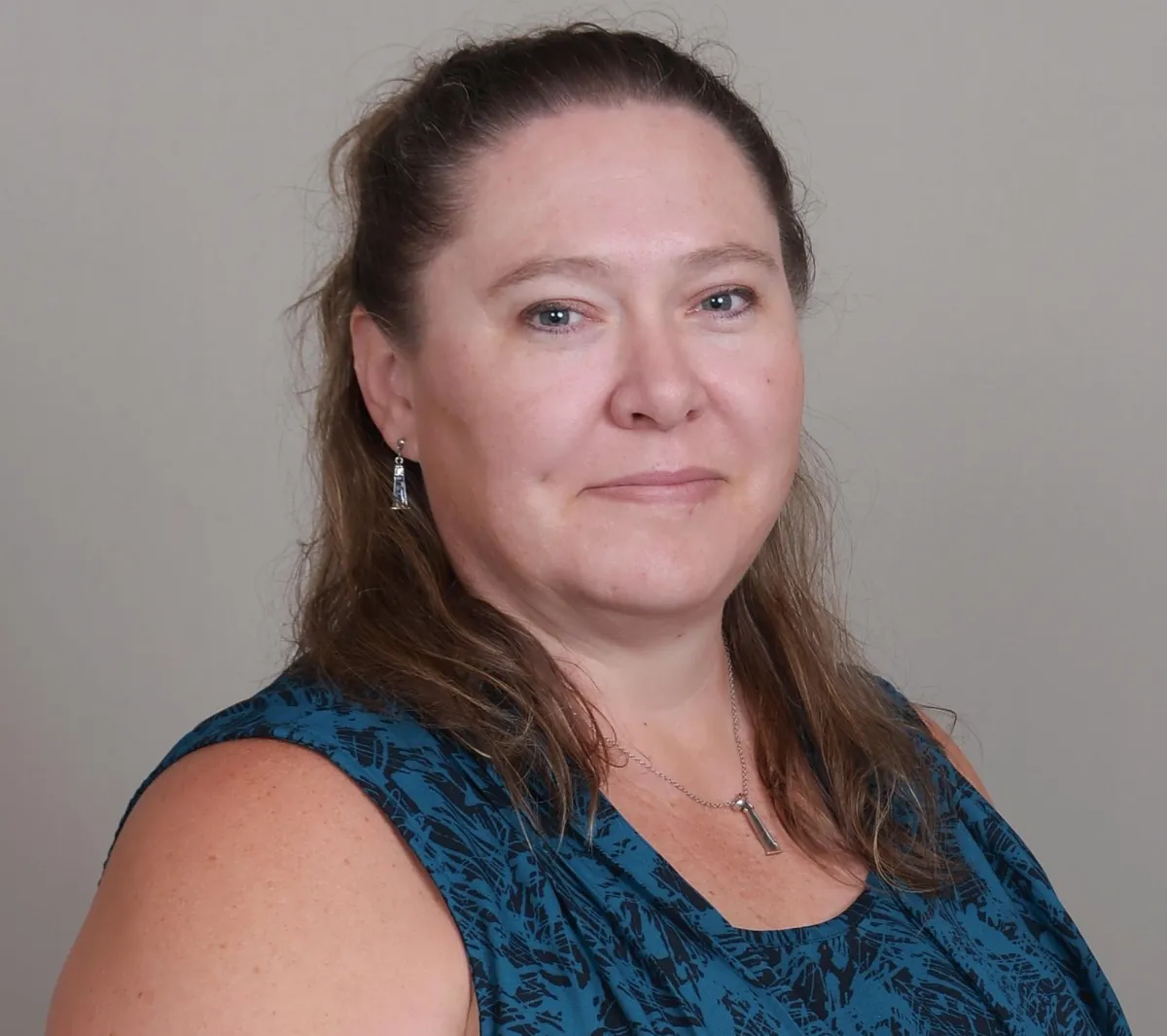
Deidre Gestrin
Consultant, Speaker, Author, & Trainer
With over 20 years specializing in stress, trauma, burnout recovery, and behavioral health leadership, Deidre Gestrin helps professionals and organizations create sustainable performance without sacrificing health, purpose, and people.
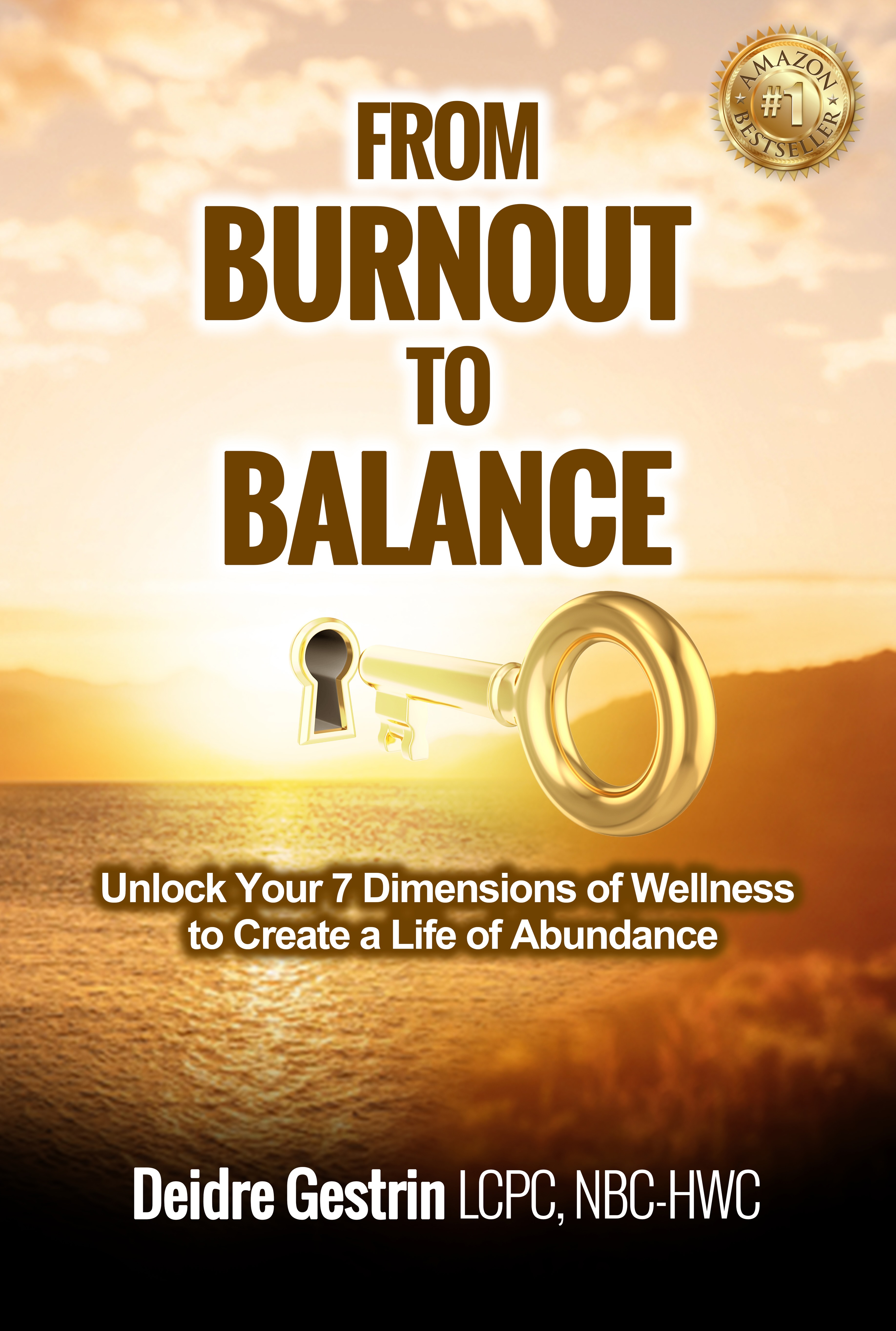
Deidre is also the author of:
From Burnout to Balance: Unlock Your 7 Dimensions of Wellness to Create a Life of Abundance
Trusted Across Clinical and Organizational Settings
Experience includes behavioral health leadership with a focus on developing high-performing teams, strengthening workforce resilience, and enhancing clinical supervision.
Expertise in program design, system optimization, and telehealth enables scalable, efficient care delivery that supports both organizational performance and individual well-being.
Helping Professionals & Organizations Recover, Stabilize, and Perform Sustainbly
Healthcare professionals, executives, entrepreneurs, and high-achievers experiencing burnout, chronic stress, compassion fatigue, emotional exhaustion, loss of purpose, and work-life imbalance.
Healthcare and behavioral health organizations struggling with employee burnout, turnover, disengagement, unstable workforce performance, leadership strain, and rising operational costs.
High Pressure teams seeking healthier workplace culture, stronger communication, sustainable performance systems, leadership resilience, and workforce stability.
Burnout Recovery for High-Achieving Professionals
Burnout doesn't just affect your work.
It affects your energy, focus, relationships, sleep, health, and sense of purpose.

Through the The Sustainable Performance System™, professionals learn how to:
restore energy without stepping away from their career
regulate chronic stress and overwhelm
reconnect with purpose and clarity
create success without sacrificing their health or family
Organizational Burnout Consulting for Sustainable Workforce Performance
Burnout inside organizations leads to higher turnover, disengaged employees, leadership fatigue, increased insurance costs, and operational instability.

Through the The Sustainable Workforce System™, organizations learn how to:
strengthen leadership systems
improve team cohesion & reduce workforce burnout
stabilize operational performance
build healthier workplace culture
Real Results From Professionals & Organizations

"Deidre was able to help me get my clinical spark back!"
Beth Derickson
LCSW | Missouri

"I feel like I’m at a 90% success rate now."
Chris Grad
Business Owner, Entrepreneur | Idaho

"Deidre helped me get to the point where I am today."
Michelle Schmutzler
Psychiatric Tech Worker | Idaho
Sustainable Success Shouldn't Require Self-Sacrifice
Whether you're a professional trying to recover from burnout or an organization working to stabilize workforce performance, sustainable success is possible.
The Sustainable Performance System™
(Burnout Recovery for Professionals)
The Sustainable Workforce System™
(Organizational Consulting)
Don't Miss Out!
Workplace Burnout & Sustainable Performance Resources
The Burnout Cycle Nobody Talks About
The Burnout Cycle Nobody Talks About and the One I Lived Through 3 Times
You get exhausted. You take a little time off. You feel better for a few weeks. Then somehow, you're right back where you started.
I want to tell you something I don't say lightly: I hit burnout three separate times in my career before I understood why. Burnout isn't usually a single event. It's a cycle. And if you don't understand the cycle, you will keep repeating it. I sure did.
My Story, Because I Think It Matters Here
During my last episode of burnout, everything looked fine from the outside. I was following through on my leadership responsibilities. I was moving forward in my career. I was showing up whenever I was asked to, regardless of the time of day. What people didn't see, what I hadn't let myself fully look at, was that I was getting less than four hours of sleep some nights. I was surviving on fast food between meetings instead of nourishing my body. I was moving from one stressful situation straight into the next, with zero recovery time in between.
It came to a head during a routine doctor's appointment. He looked at me and said, "Your job is killing you. If you don't make a change, I can't help you." That sentence changed everything. Burnout doesn't happen overnight. It builds for years, from chronic stress that just keeps pushing and pushing until something breaks.
The 4 Stages of the Burnout Cycle™
Stage 1: Overcommitment. If you're highly motivated, highly responsible, and used to accomplishing a lot, watch this one closely. As high achievers, we thrive on doing more. Taking on more responsibility can feel good in the moment: recognition, momentum, and a sense of succeeding. But your capacity starts declining internally long before your outward performance shows it. Your body sends signals. We just don't always listen. This is where what I call the sustainable performance gap™ begins: your performance stays high while your capacity quietly declines underneath it, out of alignment with each other.
Stage 2: Chronic Stress. This is where stress starts showing up in your body and mind. Fatigue that hits earlier in the day than it used to. Sleep that doesn't feel restful anymore. Irritability that catches you off guard. Difficulty concentrating - that email that used to take two minutes now takes ten. Our usual response is to push through, work harder, tell ourselves it'll pass. Neuroscience tells a different story: cortisol stays elevated, your nervous system stays activated, and your body starts responding to everyday situations like they're emergencies, because your nervous system can't tell the difference between a perceived threat and a real one. This is not normal, no matter how normalized it's become.
Stage 3: Burnout. Emotional exhaustion sets in, a feeling of not knowing how much more you can take. For those in caregiving fields, this often shows up as fading empathy or growing cynicism: "nothing's going to change here." You might start detaching from work and the people you once loved helping, running on autopilot for the paycheck. Effectiveness drops. Passion fades. Creativity declines. Internally, this is often where people start asking, "Am I in the wrong career?" I want to be direct with you here: that question is burnout talking, not truth. It's distorting your perception of your own path.
Stage 4: Temporary Recovery. This is the stage that keeps the cycle spinning. A week off, a long weekend, a vacation, and to be clear, time away is genuinely important, even essential to sustaining your ability to do this work. But if you're fully in stage 3, a vacation alone won't fix it. It offers temporary relief, not resolution. I took two weeks off during my own burnout. I came back and I was still exhausted, still cynical, still not wanting to be there. It gave me a little clarity, but not a fix. Without addressing the root cause, the cycle starts right back over at stage one.
What Kept Bringing Me Back to This Cycle
For me, the root cause was this: my worth was attached to helping people. I was afraid of what would happen, what I'd miss out on, if I said no. That's the internal work underneath the external cycle, and it's exactly what I help clients uncover, because you can't break a cycle you haven't identified.
Breaking the Cycle for Good
Here's what I want you to hear clearly: you can overcome burnout without changing careers. We can change the behaviors driving the repeated pattern. This starts with recognition, naming the problem, even if you can't fully label it yet. From there, we look at root causes, both internal (where does your identity come from, really?) and systemic (because the system you're working in may genuinely be part of the problem too). Then we build new, sustainable habits designed to last, not another round of temporary relief.
If any part of this cycle sounds familiar: the exhaustion, the detachment, the questioning of your purpose, and the autopilot; don't wait for your own version of that doctor's appointment. Take the Professional Burnout Assessment to understand your current risk, identify what's being impacted, and get clear next steps toward real recovery.

As Seen In


© 2026 Abundant Wellness Essentials. All Rights Reserved.