Burnout Recovery Coach and Workforce Performance Consultant Across the United States


Recover From Burnout Without Sacrificing Success
Helping professionals recover from burnout and helping organizations reduce workplace burnout through sustainable performance strategies that support long-term success.
For Professionals
For Organizations
Consultant • Speaker • Author • Trainer
Trusted Across Healthcare, Behavioral Health & Organizational Leadership
Burnout is No Longer an Individual Problem - It's a Workforce Performance Crisis
High-achieving professionals are exhausted.
Organizations are losing experienced employees faster than they can replace them.
Leaders are being asked to maintain performance inside systems that are no longer sustainable.
Workplace burnout affects...
Employee retention.
Organizational culture.
Leadership capacity.
Healthcare costs.
Productivity.
Long-term workforce stability.
The traditional model of success - pushing harder, working harder, and sacrificing personal well-being is breaking people and weakening organizations.
Sustainable performance requires a different apprach.
Trusted Burnout Recovery & Workforce Performance Expert

Deidre Gestrin
Consultant, Speaker, Author, & Trainer
With over 20 years specializing in stress, trauma, burnout recovery, and behavioral health leadership, Deidre Gestrin helps professionals and organizations create sustainable performance without sacrificing health, purpose, and people.
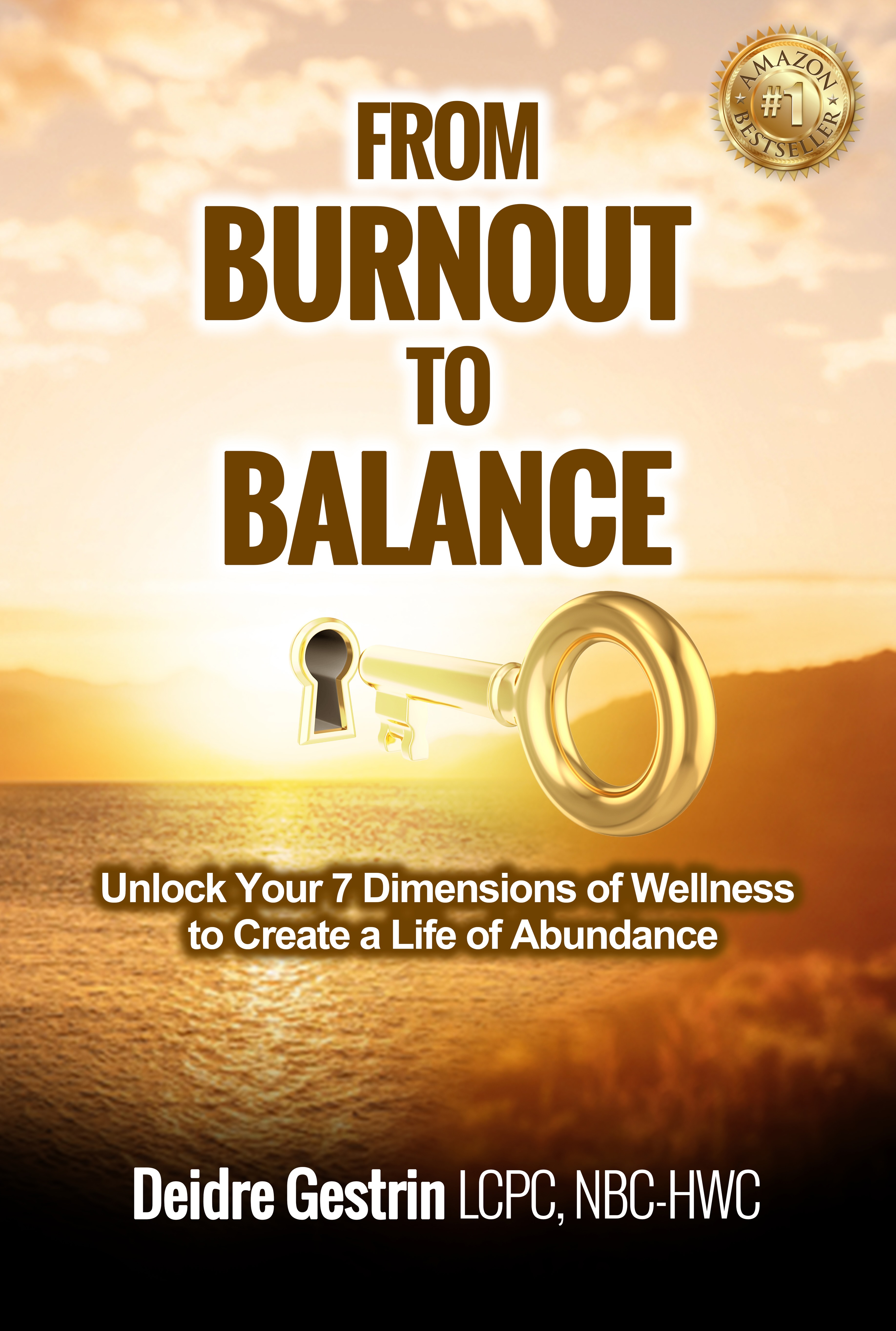
Deidre is also the author of:
From Burnout to Balance: Unlock Your 7 Dimensions of Wellness to Create a Life of Abundance
Trusted Across Clinical and Organizational Settings
Experience includes behavioral health leadership with a focus on developing high-performing teams, strengthening workforce resilience, and enhancing clinical supervision.
Expertise in program design, system optimization, and telehealth enables scalable, efficient care delivery that supports both organizational performance and individual well-being.
Helping Professionals & Organizations Recover, Stabilize, and Perform Sustainbly
Healthcare professionals, executives, entrepreneurs, and high-achievers experiencing burnout, chronic stress, compassion fatigue, emotional exhaustion, loss of purpose, and work-life imbalance.
Healthcare and behavioral health organizations struggling with employee burnout, turnover, disengagement, unstable workforce performance, leadership strain, and rising operational costs.
High Pressure teams seeking healthier workplace culture, stronger communication, sustainable performance systems, leadership resilience, and workforce stability.
Burnout Recovery for High-Achieving Professionals
Burnout doesn't just affect your work.
It affects your energy, focus, relationships, sleep, health, and sense of purpose.

Through the The Sustainable Performance System™, professionals learn how to:
restore energy without stepping away from their career
regulate chronic stress and overwhelm
reconnect with purpose and clarity
create success without sacrificing their health or family
Organizational Burnout Consulting for Sustainable Workforce Performance
Burnout inside organizations leads to higher turnover, disengaged employees, leadership fatigue, increased insurance costs, and operational instability.

Through the The Sustainable Workforce System™, organizations learn how to:
strengthen leadership systems
improve team cohesion & reduce workforce burnout
stabilize operational performance
build healthier workplace culture
Real Results From Professionals & Organizations

"Deidre was able to help me get my clinical spark back!"
Beth Derickson
LCSW | Missouri

"I feel like I’m at a 90% success rate now."
Chris Grad
Business Owner, Entrepreneur | Idaho

"Deidre helped me get to the point where I am today."
Michelle Schmutzler
Psychiatric Tech Worker | Idaho
Sustainable Success Shouldn't Require Self-Sacrifice
Whether you're a professional trying to recover from burnout or an organization working to stabilize workforce performance, sustainable success is possible.
The Sustainable Performance System™
(Burnout Recovery for Professionals)
The Sustainable Workforce System™
(Organizational Consulting)
Don't Miss Out!
Workplace Burnout & Sustainable Performance Resources
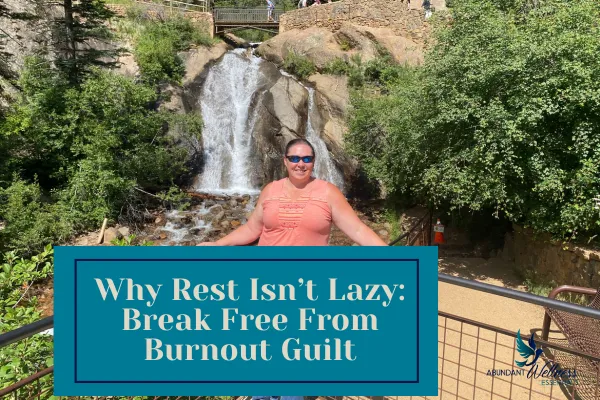
Why Rest Isn't Lazy: Break Free from Burnout Guilt
Rest Isn't Lazy

Why Rest Isn't Lazy: Breaking Free from Burnout Guilt
Is taking time to rest really productive, or are you just being lazy? If you've ever felt guilty about taking a break, you're not alone. High-achieving professionals constantly struggle with this question, but the truth might surprise you.
The Hidden Productivity of Doing Nothing
We've been conditioned to believe that constant motion equals productivity. However, doing nothing is actually one of the most productive things you can do for your brain and body. When you spend 8 to 12 hours focusing on task after task, your brain becomes depleted and needs time to recover.
Think about what doctors prescribe after surgery or injury: rest and time to heal. Your mental and emotional health requires the same approach. Without proper recovery time, burnout becomes inevitable.
Rest vs. Distraction: Understanding the Difference
Not all downtime is created equal. While many of us default to Netflix or scrolling through our phones, these activities are distractions rather than true rest. Distractions simply shift your focus from one thing to another, and electronic screens actually stimulate your mind rather than calm it.
True rest involves activities that calm your mind and slow your thoughts. These don't require focused attention on specific tasks. Examples include sitting in nature, watching water by a lake or river, or engaging in activities that feel genuinely calming to both your mind and body.
Training Your Brain to Accept Rest
Making rest a genuine habit requires reframing how you think about it. Here are practical strategies to overcome guilt and build recovery into your routine:
Make rest a priority task. If you need to add it to your to-do list to view it as necessary, do that. Treat rest with the same importance as any other obligation.
Remind yourself what's happening during rest. Your mind and body are actively recovering, allowing you to become more focused and efficient when you return to work.
Reframe your thoughts about breaks. Instead of feeling guilty, remind yourself that breaks are essential for your health and more important than pushing through exhaustion. Pushing through leads to mistakes and even physical injury.
How to Build Rest Into a Packed Schedule
Even when you feel like you have zero time, recovery must become part of your routine. Start by identifying one day per week that's not focused on work, errands, or obligations. Use that day for something enjoyable, fun, or calming.
If a full day isn't possible, determine how much time you can realistically dedicate to recharging each week. Then decide where it fits and what activity, or non-activity, works best for you. Small steps count. Just start somewhere.
Overcoming the Guilt
Guilt about resting comes from ourselves and from societal pressure, but you can overcome it by changing your thought patterns. When guilt creeps in, ask yourself: Why am I taking this break? Focus on the reasons and talk yourself through the discomfort.
Remind yourself that you'll have more energy and focus after the break. Sometimes looking ahead to what comes after helps you get there.
Rest isn't laziness, it's productive for your health. Both your mind and body need recovery time to function at their best. Give yourself permission to rest without guilt.

As Seen In


© 2026 Abundant Wellness Essentials. All Rights Reserved.