Burnout Recovery Coach and Workforce Performance Consultant Across the United States
Recover From Burnout Without Sacrificing Success
Helping professionals recover from burnout and helping organizations reduce workplace burnout through sustainable performance strategies that support long-term success.
For Professionals
For Organizations
Consultant • Speaker • Author • Trainer
Trusted Across Healthcare, Behavioral Health & Organizational Leadership
Burnout is No Longer an Individual Problem - It's a Workforce Performance Crisis
High-achieving professionals are exhausted.
Organizations are losing experienced employees faster than they can replace them.
Leaders are being asked to maintain performance inside systems that are no longer sustainable.
Workplace burnout affects...
Employee retention.
Organizational culture.
Leadership capacity.
Healthcare costs.
Productivity.
Long-term workforce stability.
The traditional model of success - pushing harder, working harder, and sacrificing personal well-being is breaking people and weakening organizations.
Sustainable performance requires a different apprach.
Trusted Burnout Recovery & Workforce Performance Expert
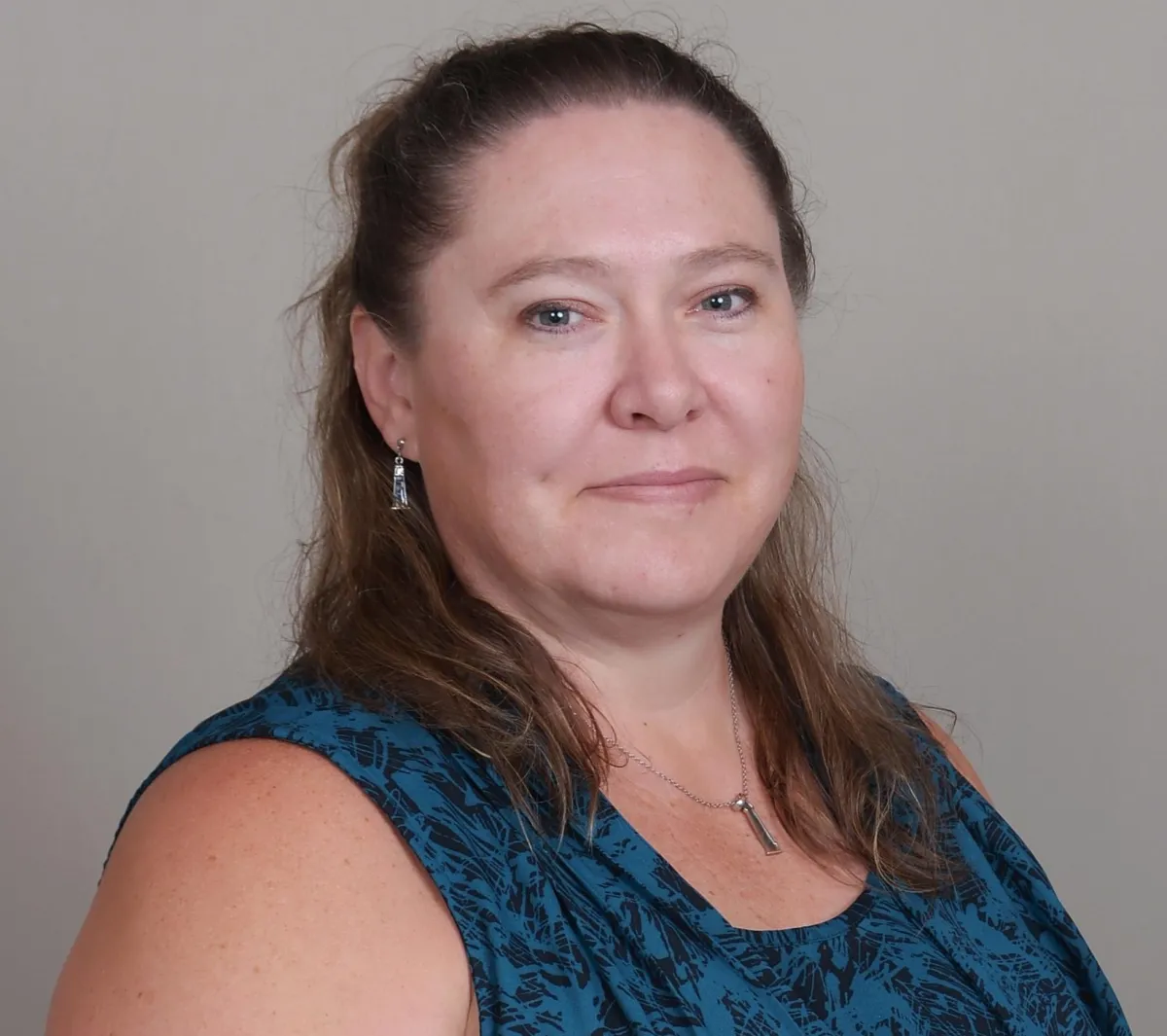
Deidre Gestrin
Consultant, Speaker, Author, & Trainer
With over 20 years specializing in stress, trauma, burnout recovery, and behavioral health leadership, Deidre Gestrin helps professionals and organizations create sustainable performance without sacrificing health, purpose, and people.
Deidre is also the author of:
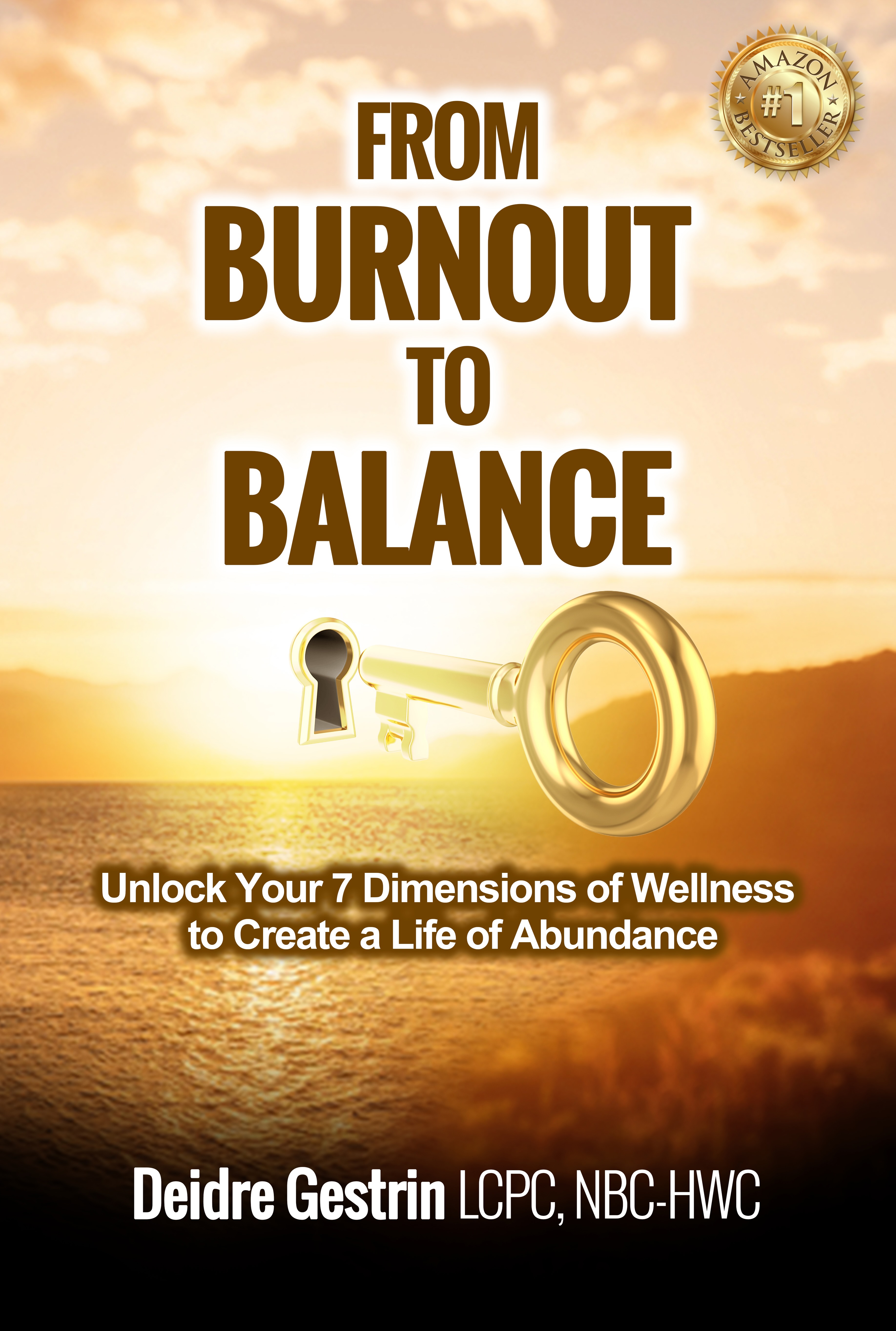
From Burnout to Balance: Unlock Your 7 Dimensions of Wellness to Create a Life of Abundance
Trusted Across Clinical and Organizational Settings
Experience includes behavioral health leadership with a focus on developing high-performing teams, strengthening workforce resilience, and enhancing clinical supervision.
Expertise in program design, system optimization, and telehealth enables scalable, efficient care delivery that supports both organizational performance and individual well-being.
Helping Professionals & Organizations Recover, Stabilize, and Perform Sustainbly
Healthcare professionals, executives, entrepreneurs, and high-achievers experiencing burnout, chronic stress, compassion fatigue, emotional exhaustion, loss of purpose, and work-life imbalance.
Healthcare and behavioral health organizations struggling with employee burnout, turnover, disengagement, unstable workforce performance, leadership strain, and rising operational costs.
High Pressure teams seeking healthier workplace culture, stronger communication, sustainable performance systems, leadership resilience, and workforce stability.
Burnout Recovery for High-Achieving Professionals
Burnout doesn't just affect your work.
It affects your energy, focus, relationships, sleep, health, and sense of purpose.

Through the The Sustainable Performance System™, professionals learn how to:
restore energy without stepping away from their career
regulate chronic stress and overwhelm
reconnect with purpose and clarity
create success without sacrificing their health or family
Organizational Burnout Consulting for Sustainable Workforce Performance
Burnout inside organizations leads to higher turnover, disengaged employees, leadership fatigue, increased insurance costs, and operational instability.

Through the The Sustainable Workforce System™, organizations learn how to:
strengthen leadership systems
improve team cohesion & reduce workforce burnout
stabilize operational performance
build healthier workplace culture
Real Results From Professionals & Organizations

"Deidre was able to help me get my clinical spark back!"
Beth Derickson
LCSW | Missouri

"I feel like I’m at a 90% success rate now."
Chris Grad
Business Owner, Entrepreneur | Idaho

"Deidre helped me get to the point where I am today."
Michelle Schmutzler
Psychiatric Tech Worker | Idaho
Sustainable Success Shouldn't Require Self-Sacrifice
Whether you're a professional trying to recover from burnout or an organization working to stabilize workforce performance, sustainable success is possible.
The Sustainable Performance System™
(Burnout Recovery for Professionals)
The Sustainable Workforce System™
(Organizational Consulting)
Don't Miss Out!
Workplace Burnout & Sustainable Performance Resources
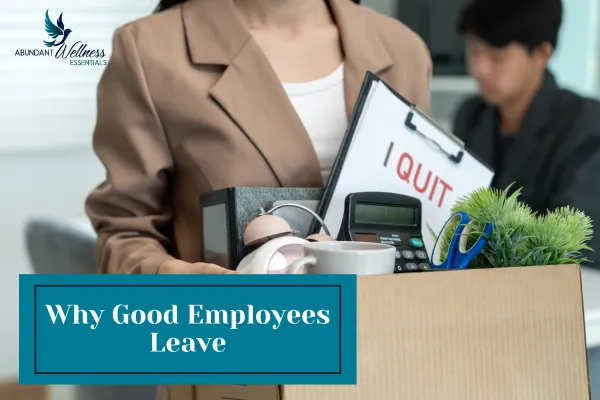
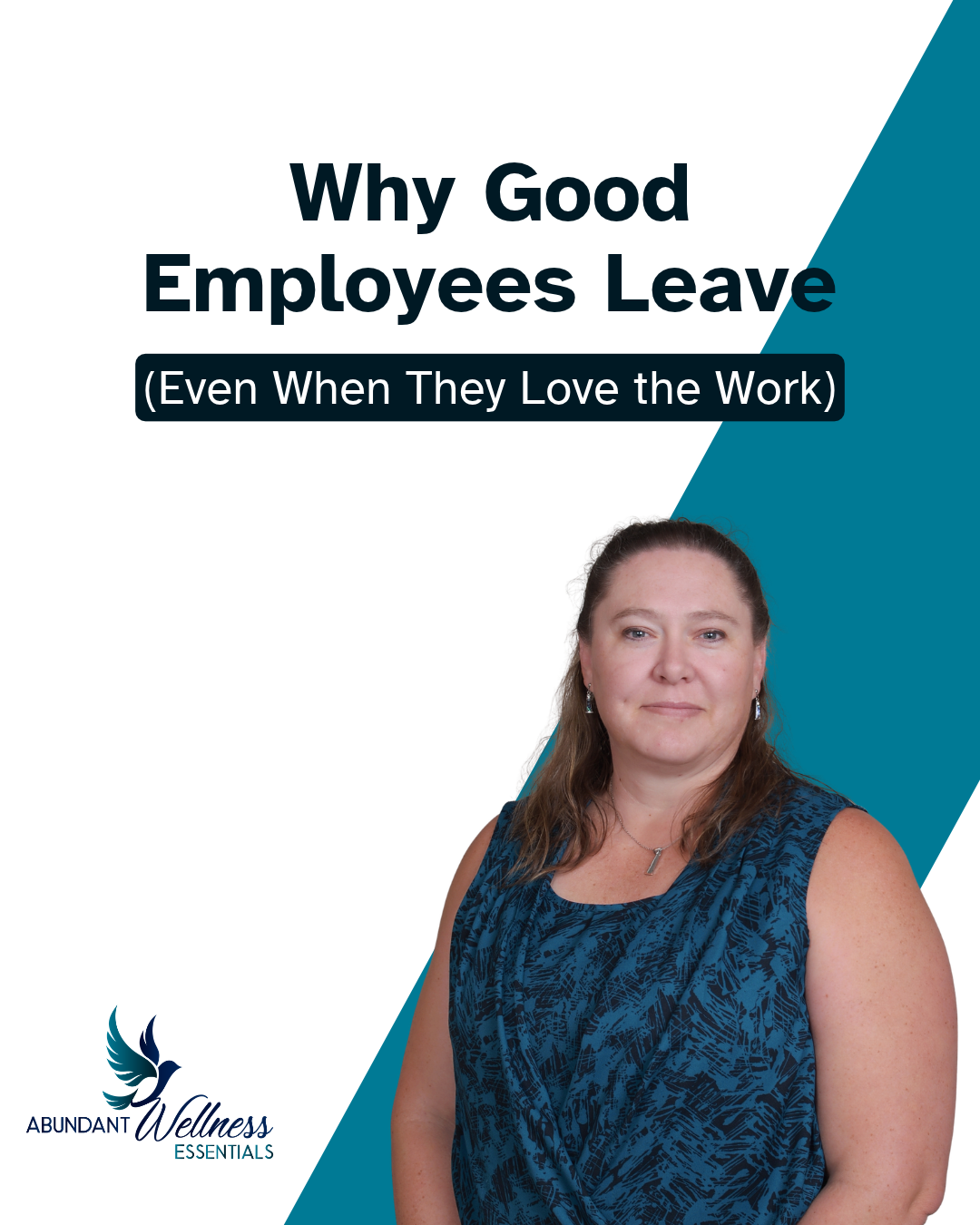
Why Good Employees Leave
Why Good Employees Leave (Even When They Love the Work)
The employee you should be most worried about losing may not be the one complaining. It might be the high performer quietly compensating for everything that's broken.
If you've noticed a pattern with your high performers, working long hours, picking up every piece that others are dropping, and you've been wondering what's going on or how to fix it, this one's for you. Today we're exploring why your best employees leave, even when they genuinely love the work.
Layer One, What You Already See
This is usually the easiest layer to identify, because most leaders already know something is wrong. Turnover is high. Recruitment feels harder than it used to. Maybe you're noticing employees snapping at others, or at you, or isolating in their offices instead of interacting the way they used to. The vacancies left behind strain the team that's still there, because someone's role isn't being filled, and the remaining team members absorb the extra burden. And losing experienced people who were genuinely good at their jobs hurts the organization. It's hard to recover from, especially when you lose more than one person at a time.
Layer Two, What's Actually Driving It
On the surface, it's tempting to assume finances are the whole story, that you just couldn't pay them enough. That's a small sliver of the pie, but it's not the full picture. Good people leave when the workload becomes chronic. Expectations around output keep climbing until employees start to feel treated like a robot instead of a person. In healthcare, this often looks like seeing more patients in a day instead of spending real time with each one, turning the work into an assembly line instead of quality care. That kind of chronic workload is unsustainable, and people stop feeling like they have time to recover.
Are you unintentionally expecting employees to work longer hours? Are you noticing cynicism creeping in, where leaders get frustrated or critical when people take time off? If leaders aren't taking their own time off, employees absorb the perception that time off isn't really okay, and that creates a chronic lack of recovery across the whole team.
People also leave when leadership doesn't feel supportive. If leaders don't have time to answer questions, employees stop coming to leadership and start losing motivation. Here's the truth that matters most. People rarely leave the job itself. If someone is passionate about helping others in healthcare, they're not leaving that part of the work. They're leaving because they no longer feel supported by, or able to follow, their leader.
Employees also leave when they don't feel in control. Micromanaging instead of trusting employees to do quality work makes people question whether they can keep going in the organization at all. They need their personal and professional values to align with the company's culture and mission, and when those values drift apart, people start questioning whether this is even the right place for them.
Team dysfunction plays a role too. When teams don't trust each other or communicate effectively, frustration builds and people give up. They want to feel like part of a team, like their voice matters, like they're heard. I hear this constantly from the professionals I work with. I don't feel like I have a voice. I don't feel like what I think or do matters. I'm just a cog in a wheel, going through the motions, treated like a robot.
High performers face a particular trap. They get rewarded for hard work by being handed more work, and that is not a reward. That's simply saying, I know you'll get it done, so here's more. High performers need to be rewarded in ways that actually matter, not by being overloaded further. We all have a finite amount of energy and capacity, and that has to be respected. And most of all, people leave when they've lost hope that conditions will ever improve. If they don't believe things will get better, they will not stay.
Layer Three, The Root Cause
High performers can hide organizational dysfunction, because they compensate for it. They keep showing up, working longer hours, never truly stopping, because the work never actually ends. But retention of good employees is not just an HR issue. It is an operational outcome. When the operational system of an organization is failing its employees, something structural needs to change. Yes, there's a small piece where employees need to manage their own stress and workload, but operations have to support that, not work against it. This is exactly what I work with organizations on through the Sustainable Workforce Method.
A Story From a Psychiatric Hospital
I once took a director role at a psychiatric hospital, and the situation was downplayed before I walked in. Within the first 30 days, I realized the workplace was not healthy. It was dysfunctional, chaotic, and frankly traumatic for employees. I wasn't the only one who saw it. Other directors came to me saying, “Deidre, I don't know what we can do. What can we do?”
Leadership wasn't actually leading. Leaders spent so much time responding to crisis after crisis that they couldn't lead their own teams effectively. We had constant staff call outs and couldn't retain enough staff, to the point of resorting to traveling nurses in a mental health field where that's genuinely not ideal. There wasn't enough structure for the youth we served, and a lack of respect for staff had taken root, shaped directly by how we structured operations and responded to crisis after crisis.
In those first 30 days, every staff member looked exhausted and hopeless. Nobody seemed to know how much longer they could keep functioning in that state. In leadership meetings, I started asking why.
Why was the emphasis on attending school instead of treatment, in a facility meant for treatment?
Why weren't technicians looking to the clinical team for guidance during a crisis?
The structure had been built around what worked for staff convenience, not what actually worked for the kids or for effective treatment. That is operational dysfunction, and frankly, an unsafe environment.
The Question Worth Asking
What are your strongest employees currently compensating for that your organization has started treating as normal? In that hospital, it was normal to keep kids in school all day and squeeze treatment around the school schedule. It was normal for everyone to always be responding to a crisis, with everything treated as urgent.
When employees leave, the obvious response is to recruit more and simply replace them. But what happens when you keep hiring people into the exact same conditions that caused the last employees to leave? You keep having turnover. That's exactly what we experienced. We could never retain enough staff, because we kept replacing people into the same broken system. It becomes far more cost effective to examine why operations and culture impact retention, productivity, and employee health, instead of pouring every resource into recruiting and training people who will eventually leave for the same reasons.
If this resonated with you, take the Organizational Burnout Assessment to see how burnout and high workloads may be impacting your organization and your employees. As a leader, you should not lose your best people to high workloads, negative culture, and unhealthy compensation. Good work should be compensated in ways that promote employee health and longevity, for the employee and for the organization.

As Seen In


© 2026 Abundant Wellness Essentials. All Rights Reserved.