Burnout Recovery Coach and Workforce Performance Consultant Across the United States


Recover From Burnout Without Sacrificing Success
Helping professionals recover from burnout and helping organizations reduce workplace burnout through sustainable performance strategies that support long-term success.
For Professionals
For Organizations
Consultant • Speaker • Author • Trainer
Trusted Across Healthcare, Behavioral Health & Organizational Leadership
Burnout is No Longer an Individual Problem - It's a Workforce Performance Crisis
High-achieving professionals are exhausted.
Organizations are losing experienced employees faster than they can replace them.
Leaders are being asked to maintain performance inside systems that are no longer sustainable.
Workplace burnout affects...
Employee retention.
Organizational culture.
Leadership capacity.
Healthcare costs.
Productivity.
Long-term workforce stability.
The traditional model of success - pushing harder, working harder, and sacrificing personal well-being is breaking people and weakening organizations.
Sustainable performance requires a different apprach.
Trusted Burnout Recovery & Workforce Performance Expert

Deidre Gestrin
Consultant, Speaker, Author, & Trainer
With over 20 years specializing in stress, trauma, burnout recovery, and behavioral health leadership, Deidre Gestrin helps professionals and organizations create sustainable performance without sacrificing health, purpose, and people.
Deidre is also the author of:
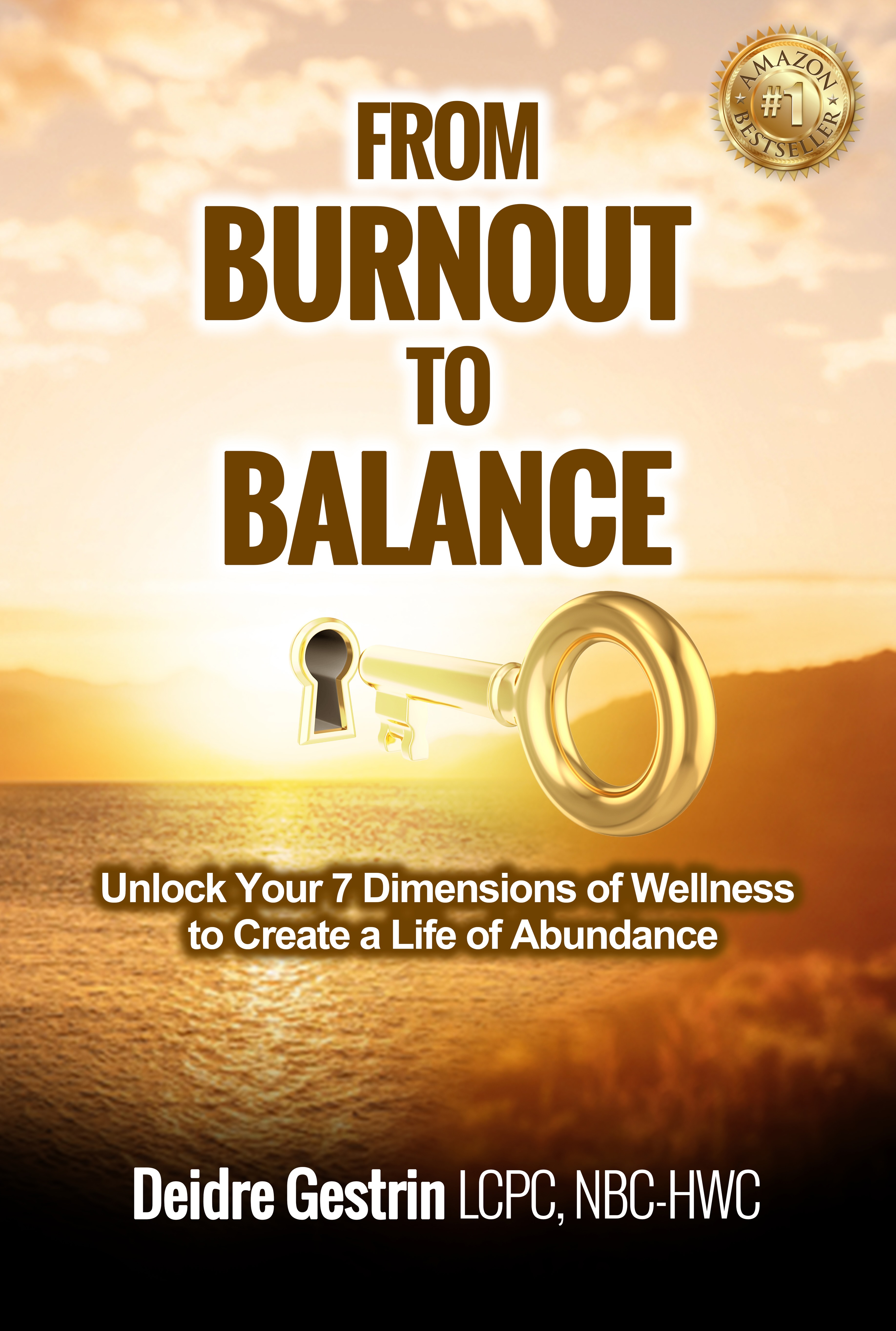
From Burnout to Balance: Unlock Your 7 Dimensions of Wellness to Create a Life of Abundance
Trusted Across Clinical and Organizational Settings
Experience includes behavioral health leadership with a focus on developing high-performing teams, strengthening workforce resilience, and enhancing clinical supervision.
Expertise in program design, system optimization, and telehealth enables scalable, efficient care delivery that supports both organizational performance and individual well-being.
Helping Professionals & Organizations Recover, Stabilize, and Perform Sustainbly
Healthcare professionals, executives, entrepreneurs, and high-achievers experiencing burnout, chronic stress, compassion fatigue, emotional exhaustion, loss of purpose, and work-life imbalance.
Healthcare and behavioral health organizations struggling with employee burnout, turnover, disengagement, unstable workforce performance, leadership strain, and rising operational costs.
High Pressure teams seeking healthier workplace culture, stronger communication, sustainable performance systems, leadership resilience, and workforce stability.
Burnout Recovery for High-Achieving Professionals
Burnout doesn't just affect your work.
It affects your energy, focus, relationships, sleep, health, and sense of purpose.

Through the The Sustainable Performance System™, professionals learn how to:
restore energy without stepping away from their career
regulate chronic stress and overwhelm
reconnect with purpose and clarity
create success without sacrificing their health or family
Organizational Burnout Consulting for Sustainable Workforce Performance
Burnout inside organizations leads to higher turnover, disengaged employees, leadership fatigue, increased insurance costs, and operational instability.

Through the The Sustainable Workforce System™, organizations learn how to:
strengthen leadership systems
improve team cohesion & reduce workforce burnout
stabilize operational performance
build healthier workplace culture
Real Results From Professionals & Organizations

"Deidre was able to help me get my clinical spark back!"
Beth Derickson
LCSW | Missouri

"I feel like I’m at a 90% success rate now."
Chris Grad
Business Owner, Entrepreneur | Idaho

"Deidre helped me get to the point where I am today."
Michelle Schmutzler
Psychiatric Tech Worker | Idaho
Sustainable Success Shouldn't Require Self-Sacrifice
Whether you're a professional trying to recover from burnout or an organization working to stabilize workforce performance, sustainable success is possible.
The Sustainable Performance System™
(Burnout Recovery for Professionals)
The Sustainable Workforce System™
(Organizational Consulting)
Don't Miss Out!
Workplace Burnout & Sustainable Performance Resources
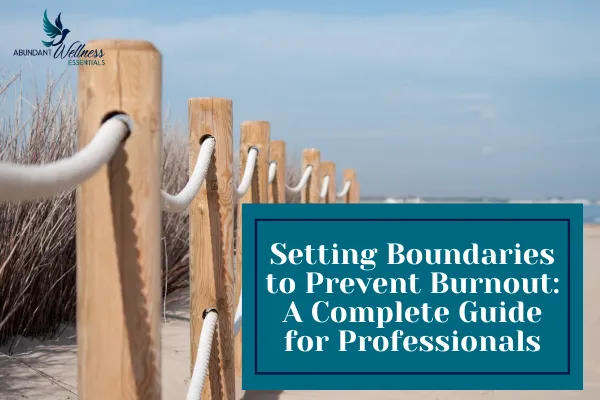
Setting Boundaries to Prevent Burnout: A Complete Guide for Professionals
Setting Boundaries to Prevent Burnout: A Complete Guide for Professionals

Setting Boundaries to Prevent Burnout: Why "No" Is Your Most Powerful Tool
Do you cringe when someone brings up boundaries? You're not alone. Many high-achieving professionals avoid boundary conversations altogether, yet these conversations are exactly what we need to recover from burnout and stay healthy long-term.
The Three Types of Boundaries You Need
Understanding boundaries starts with recognizing there are three distinct types:
Work boundaries govern how much time you spend at your job, whether you take on extra projects, and if you regularly stay late. These boundaries protect your professional energy and prevent overcommitment.
Personal boundaries determine which social events you accept and what activities you prioritize for yourself. They ensure you have time for rest and relationships that matter.
Self-imposed boundaries help you stay focused on your priorities. Interestingly, we're often our own worst boundary violators. We push past our limits, dismiss our needs, and tell ourselves "just this once" until the pattern becomes chronic.
Why Saying No Feels Impossible (And Why You Must Do It Anyway)
Saying no triggers intense discomfort for most people. We worry about hurting feelings, disappointing others, or facing anger. But here's the truth: boundaries teach people how to treat us.
Consider this common scenario: You're asked to stay late for a crisis at work. The first time, you say yes. What happens next? You keep getting asked because you've established yourself as the person who always says yes. Without a clear boundary, you become the default solution to every problem.
The reality is that people may feel momentary irritation when you set a boundary, but they'll ultimately respect you more for it. No is a complete sentence, and you don't owe anyone an elaborate explanation.
How to Set Boundaries Without Guilt
Effective boundary-setting focuses on your needs and reasons. Instead of apologizing or over-explaining, try statements like:
"No, I really need to get home. I have things I need to take care of."
"I don't have the capacity to take on more. If I take it on, I won't be able to complete all my other duties to the fullest of my potential."
These responses are honest, respectful, and firm.
Working Through Boundary Guilt
Guilt is the biggest obstacle to maintaining boundaries. When guilt surfaces, remember these key points:
First, feelings come and go, and they're not always reasonable. Your guilt doesn't mean you're doing something wrong.
Second, boundaries provide guidance for how others should treat you. They demonstrate self-respect and invite others to respect you too.
Third, people actually appreciate honesty. They want to know what is and isn't acceptable in the relationship, whether personal or professional.
When guilt arises, ask yourself: Where is this coming from? What triggered it? Explore the emotions and challenge any negative thoughts. You'll often discover your guilt stems from old patterns or false beliefs about what others expect from you.
The Biggest Boundary Mistake That Leads to Burnout
The most common mistake I see is saying yes to everything and everyone because you want to please people or be liked. This pattern is a direct path to burnout.
Here's what you need to know: People will like you just as much when you have boundaries as when you say yes to everything. In fact, they may respect you more.
To prevent burnout, you must protect your time. Set boundaries at work. Set boundaries in your personal life. And most importantly, set boundaries with yourself and respect yourself enough to follow them.
Boundaries aren't about being difficult or unkind. They're about sustainable success and long-term wellbeing. When you honor your limits, you show up as your best self in all areas of life.

As Seen In


© 2026 Abundant Wellness Essentials. All Rights Reserved.