Burnout Recovery Coach and Workforce Performance Consultant Across the United States


Recover From Burnout Without Sacrificing Success
Helping professionals recover from burnout and helping organizations reduce workplace burnout through sustainable performance strategies that support long-term success.
For Professionals
For Organizations
Consultant • Speaker • Author • Trainer
Trusted Across Healthcare, Behavioral Health & Organizational Leadership
Burnout is No Longer an Individual Problem - It's a Workforce Performance Crisis
High-achieving professionals are exhausted.
Organizations are losing experienced employees faster than they can replace them.
Leaders are being asked to maintain performance inside systems that are no longer sustainable.
Workplace burnout affects...
Employee retention.
Organizational culture.
Leadership capacity.
Healthcare costs.
Productivity.
Long-term workforce stability.
The traditional model of success - pushing harder, working harder, and sacrificing personal well-being is breaking people and weakening organizations.
Sustainable performance requires a different apprach.
Trusted Burnout Recovery & Workforce Performance Expert

Deidre Gestrin
Consultant, Speaker, Author, & Trainer
With over 20 years specializing in stress, trauma, burnout recovery, and behavioral health leadership, Deidre Gestrin helps professionals and organizations create sustainable performance without sacrificing health, purpose, and people.
Deidre is also the author of:
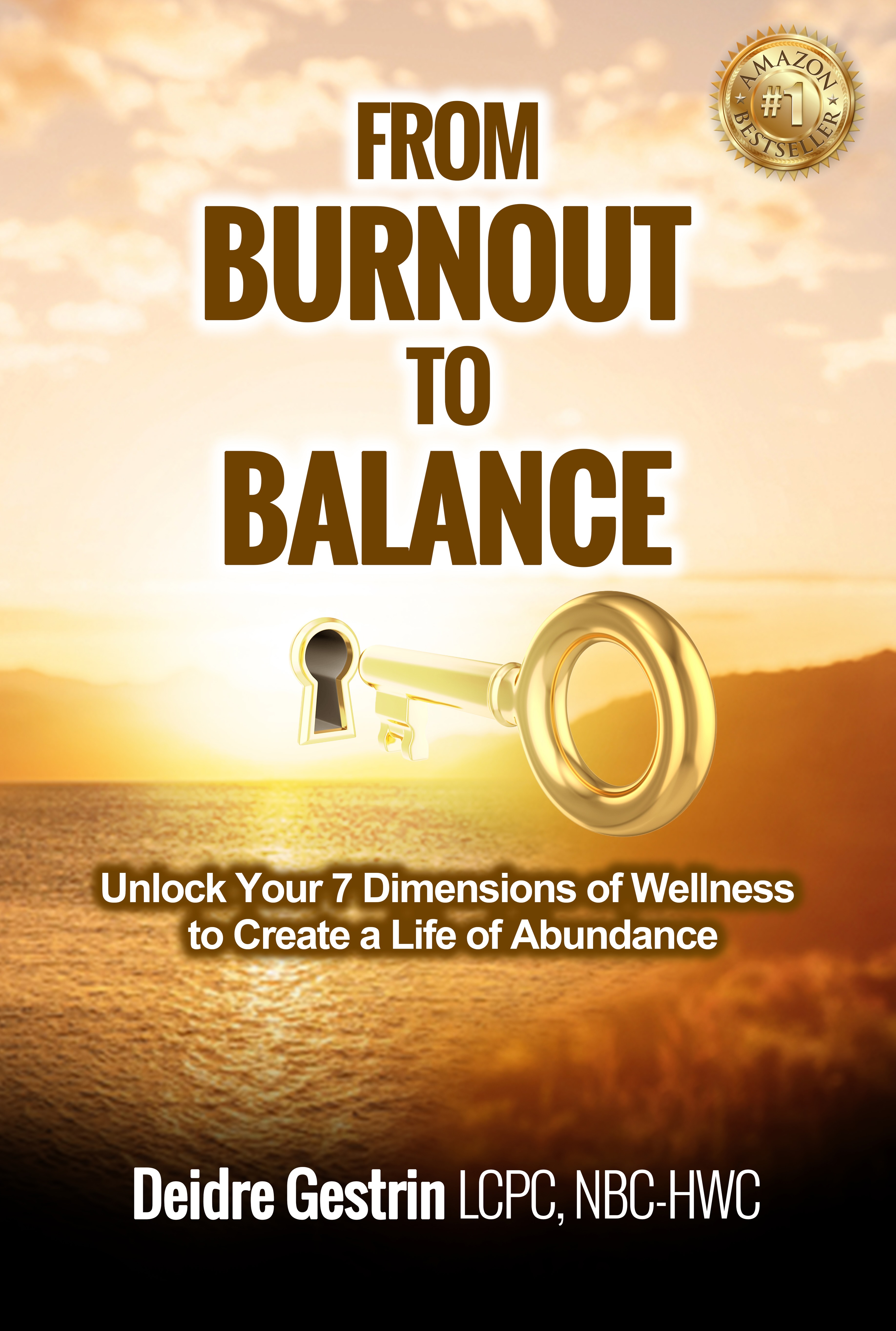
From Burnout to Balance: Unlock Your 7 Dimensions of Wellness to Create a Life of Abundance
Trusted Across Clinical and Organizational Settings
Experience includes behavioral health leadership with a focus on developing high-performing teams, strengthening workforce resilience, and enhancing clinical supervision.
Expertise in program design, system optimization, and telehealth enables scalable, efficient care delivery that supports both organizational performance and individual well-being.
Helping Professionals & Organizations Recover, Stabilize, and Perform Sustainbly
Healthcare professionals, executives, entrepreneurs, and high-achievers experiencing burnout, chronic stress, compassion fatigue, emotional exhaustion, loss of purpose, and work-life imbalance.
Healthcare and behavioral health organizations struggling with employee burnout, turnover, disengagement, unstable workforce performance, leadership strain, and rising operational costs.
High Pressure teams seeking healthier workplace culture, stronger communication, sustainable performance systems, leadership resilience, and workforce stability.
Burnout Recovery for High-Achieving Professionals
Burnout doesn't just affect your work.
It affects your energy, focus, relationships, sleep, health, and sense of purpose.

Through the The Sustainable Performance System™, professionals learn how to:
restore energy without stepping away from their career
regulate chronic stress and overwhelm
reconnect with purpose and clarity
create success without sacrificing their health or family
Organizational Burnout Consulting for Sustainable Workforce Performance
Burnout inside organizations leads to higher turnover, disengaged employees, leadership fatigue, increased insurance costs, and operational instability.

Through the The Sustainable Workforce System™, organizations learn how to:
strengthen leadership systems
improve team cohesion & reduce workforce burnout
stabilize operational performance
build healthier workplace culture
Real Results From Professionals & Organizations

"Deidre was able to help me get my clinical spark back!"
Beth Derickson
LCSW | Missouri

"I feel like I’m at a 90% success rate now."
Chris Grad
Business Owner, Entrepreneur | Idaho

"Deidre helped me get to the point where I am today."
Michelle Schmutzler
Psychiatric Tech Worker | Idaho
Sustainable Success Shouldn't Require Self-Sacrifice
Whether you're a professional trying to recover from burnout or an organization working to stabilize workforce performance, sustainable success is possible.
The Sustainable Performance System™
(Burnout Recovery for Professionals)
The Sustainable Workforce System™
(Organizational Consulting)
Don't Miss Out!
Workplace Burnout & Sustainable Performance Resources
7-Step Burnout Recovery Action Plan: Prevent & Recover Today

How to Create a 7-Step Burnout Recovery Action Plan That Actually Works
Burnout doesn't happen overnight, and unfortunately, recovery doesn't either. But with the right action plan, you can either prevent burnout from taking hold or begin your journey back to wellness. Having worked with countless clients struggling with burnout, I've developed a comprehensive 7-step approach that addresses every aspect of your well-being.
Why You Need a Burnout Recovery Plan
Burnout is more than just feeling tired after a long week. It's a state of physical, emotional, and mental exhaustion that can significantly impact your ability to function. The challenge is that many of us are so externally focused that we miss the early warning signs our bodies are sending us.
The 7-Step Burnout Recovery Action Plan
Step 1: Improve Self-Awareness and Assessment
The foundation of any recovery plan starts with honest self-assessment. How burnt out are you? How long have you been experiencing these symptoms? Many people struggle with this step because we're often disconnected from our body's signals.
Key indicators to watch for:
Changes in your morning routine or self-care habits
Physical tension (especially in shoulders and neck)
Persistent headaches from stress
Disrupted sleep patterns
Consider using assessment tools or working with a professional to get a clear picture of where you currently stand.
Step 2: Identify Your Desired Goals
Once you understand your current state, you need to define where you want to be. This involves two critical components:
Work-Life Balance Goals: Remember that work-life balance isn't one-size-fits-all, and it's not static. Your ideal balance in this season of life might look completely different from someone else's or even your own balance six months from now.
Priority Setting: You can't make everything a priority without feeling like you're constantly failing. Look at your current season of life and identify what truly matters most right now. If your kids are in sports, their events might take priority over community volunteering – and that's perfectly okay.
Step 3: Focus on Emotional Wellness
Understanding and managing your emotions is crucial for burnout recovery. This means recognizing what you're feeling and why you're feeling it.
Remember: Emotions are information, not judgments. They tell us how we're responding to situations and what needs our attention. The problem isn't feeling angry – it's how we react when we're angry.
Practical steps:
Practice identifying emotions as they arise
Understand your emotional triggers
Shift from reactive responses to controlled responses
Develop healthy coping mechanisms for stress
Step 4: Strengthen Mental Wellness
Your thoughts directly influence your feelings and actions, making mental wellness a critical component of burnout recovery.
Address negative thought patterns such as:
"I can't ever get a break"
"Bad things always happen to me"
"I'm not worth having what I want"
Strategies for improvement:
Practice daily gratitude to boost positive thinking
Challenge repetitive negative thoughts with evidence
Look for situations that contradict your negative beliefs
Rewrite your mental narrative with more balanced perspectives
Step 5: Prioritize Physical Wellness
Your physical body is the foundation that supports everything else you do. If you're not taking care of it, continuing your purpose-driven work becomes significantly harder.
Essential physical wellness components:
Rest: Listen when your body says it needs rest
Nutrition: Choose whole foods, fresh vegetables, fruits, and healthy fats over processed options that cause energy spikes and crashes
Movement: Incorporate regular exercise or movement throughout your day to maintain flexibility and strength
Step 6: Nurture Spiritual Wellness
We are spiritual beings, and disconnection from this aspect of ourselves can make daily stress much harder to manage. People with consistent spiritual routines often report feeling more grounded and better equipped to handle life's challenges.
Consider developing:
Morning meditation or devotional time
Regular practices that connect you to your purpose
Routines that help you feel grounded and centered
Activities that fill you up spiritually
Step 7: Commit to Regular Reassessment
Just like work-life balance, your burnout recovery plan shouldn't be static. Regular reassessment ensures you stay connected to your body's signals and can make small adjustments before problems become overwhelming.
Make reassessment a habit:
Check in with yourself daily about your physical, mental, emotional, and spiritual state
Notice when something feels "off" and identify what you might be missing
Make small tweaks rather than waiting for major overhauls
Stay flexible as your needs change with different seasons of life
Taking the Next Step
Creating a burnout recovery plan might feel overwhelming when you're already exhausted, but remember – you don't have to do this alone. Small, consistent steps in each of these seven areas can create significant positive changes over time.
The key is starting where you are and building from there. Your plan will be unique to your situation, your goals, and your current season of life. What matters most is that you begin.
For more tips check out: http://stresstopeace.com/

As Seen In


© 2026 Abundant Wellness Essentials. All Rights Reserved.