Burnout Recovery Coach and Workforce Performance Consultant Across the United States


Recover From Burnout Without Sacrificing Success
Helping professionals recover from burnout and helping organizations reduce workplace burnout through sustainable performance strategies that support long-term success.
For Professionals
For Organizations
Consultant • Speaker • Author • Trainer
Trusted Across Healthcare, Behavioral Health & Organizational Leadership
Burnout is No Longer an Individual Problem - It's a Workforce Performance Crisis
High-achieving professionals are exhausted.
Organizations are losing experienced employees faster than they can replace them.
Leaders are being asked to maintain performance inside systems that are no longer sustainable.
Workplace burnout affects...
Employee retention.
Organizational culture.
Leadership capacity.
Healthcare costs.
Productivity.
Long-term workforce stability.
The traditional model of success - pushing harder, working harder, and sacrificing personal well-being is breaking people and weakening organizations.
Sustainable performance requires a different apprach.
Trusted Burnout Recovery & Workforce Performance Expert

Deidre Gestrin
Consultant, Speaker, Author, & Trainer
With over 20 years specializing in stress, trauma, burnout recovery, and behavioral health leadership, Deidre Gestrin helps professionals and organizations create sustainable performance without sacrificing health, purpose, and people.
Deidre is also the author of:
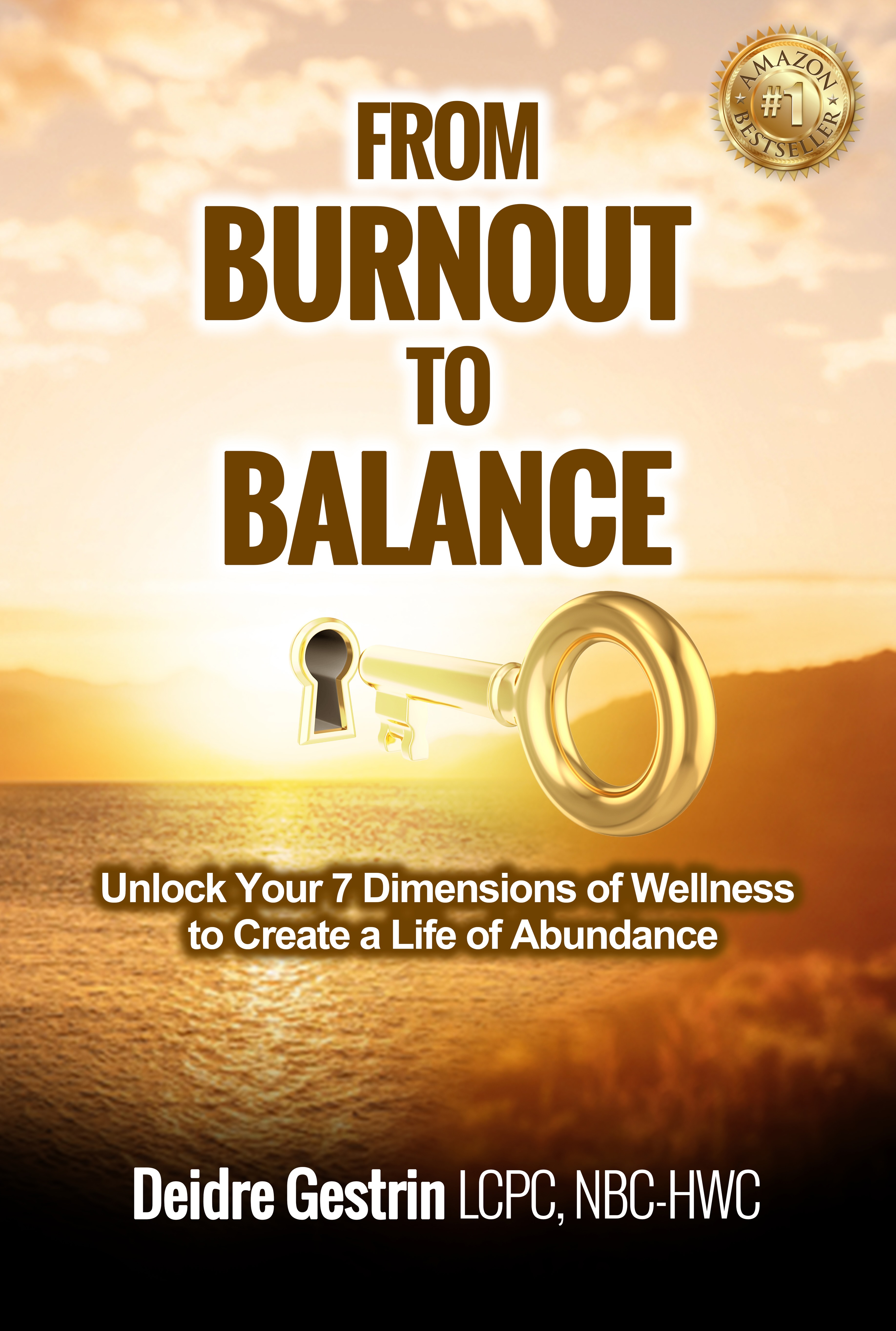
From Burnout to Balance: Unlock Your 7 Dimensions of Wellness to Create a Life of Abundance
Trusted Across Clinical and Organizational Settings
Experience includes behavioral health leadership with a focus on developing high-performing teams, strengthening workforce resilience, and enhancing clinical supervision.
Expertise in program design, system optimization, and telehealth enables scalable, efficient care delivery that supports both organizational performance and individual well-being.
Helping Professionals & Organizations Recover, Stabilize, and Perform Sustainbly
Healthcare professionals, executives, entrepreneurs, and high-achievers experiencing burnout, chronic stress, compassion fatigue, emotional exhaustion, loss of purpose, and work-life imbalance.
Healthcare and behavioral health organizations struggling with employee burnout, turnover, disengagement, unstable workforce performance, leadership strain, and rising operational costs.
High Pressure teams seeking healthier workplace culture, stronger communication, sustainable performance systems, leadership resilience, and workforce stability.
Burnout Recovery for High-Achieving Professionals
Burnout doesn't just affect your work.
It affects your energy, focus, relationships, sleep, health, and sense of purpose.

Through the The Sustainable Performance System™, professionals learn how to:
restore energy without stepping away from their career
regulate chronic stress and overwhelm
reconnect with purpose and clarity
create success without sacrificing their health or family
Organizational Burnout Consulting for Sustainable Workforce Performance
Burnout inside organizations leads to higher turnover, disengaged employees, leadership fatigue, increased insurance costs, and operational instability.

Through the The Sustainable Workforce System™, organizations learn how to:
strengthen leadership systems
improve team cohesion & reduce workforce burnout
stabilize operational performance
build healthier workplace culture
Real Results From Professionals & Organizations

"Deidre was able to help me get my clinical spark back!"
Beth Derickson
LCSW | Missouri

"I feel like I’m at a 90% success rate now."
Chris Grad
Business Owner, Entrepreneur | Idaho

"Deidre helped me get to the point where I am today."
Michelle Schmutzler
Psychiatric Tech Worker | Idaho
Sustainable Success Shouldn't Require Self-Sacrifice
Whether you're a professional trying to recover from burnout or an organization working to stabilize workforce performance, sustainable success is possible.
The Sustainable Performance System™
(Burnout Recovery for Professionals)
The Sustainable Workforce System™
(Organizational Consulting)
Don't Miss Out!
Workplace Burnout & Sustainable Performance Resources
How to Complete the Stress Cycle: Science-Backed Recovery Tips
How to Complete the Stress Cycle: A Science-Backed Guide to Stress Recovery
Have you ever felt stuck in a loop of stress, unable to shake that tense, overwhelmed feeling? Understanding how to complete the stress cycle could be the missing piece in your recovery journey.
What Is the Stress Cycle?
The stress cycle consists of three distinct stages: alarm, resistance, and exhaustion. When you encounter a stressful situation, your body enters survival mode—triggering fight, flight, or freeze responses. But here's what most people miss: experiencing stress isn't the problem. It's not completing the cycle that keeps you stuck.
To return to your baseline—that calm, centered state where you feel like yourself again—you must actively complete the stress cycle. Your body needs a signal that the threat has passed and it's safe to relax.
Why Completing the Stress Cycle Matters for Your Health
When stress cycles remain incomplete, they accumulate in your body. This buildup affects how your body functions and diminishes your ability to move past each stressful situation. Over time, incomplete stress cycles contribute to chronic stress, burnout, and various health issues.
Science-Backed Ways to Complete the Stress Cycle
1. Physical Movement
Movement is one of the most effective ways to complete the stress cycle. When stress triggers an adrenaline rush, that energy needs somewhere to go. Physical activity releases that built-up energy and allows your body to process the stress response.
Walking is particularly powerful. As you walk, your brain processes information while simultaneously releasing the tension stored in your body. You don't need an intense workout,a simple walk around the block can make a significant difference.
2. Deep Breathing from Your Diaphragm
Deep breathing directly impacts your nervous system. When you breathe from your belly rather than your chest, you activate your body's natural calming mechanism.
Here's why deep breathing is so effective for stress relief:
It slows your heart rate, helping regulate your cardiovascular system
It gives your mind something concrete to focus on, especially with techniques like box breathing
It connects you to your body's center, bringing you back to yourself
It engages your sensory system as air moves through your nose and mouth
The best part? Deep breathing doesn't require extra time. You can do it anywhere, anytime.
3. Emotional Release
Your body stores stress as physical tension, and emotional release helps discharge that energy. Crying, while not everyone's favorite activity, provides a genuine physiological release. Many people report feeling lighter and clearer after allowing themselves to cry.
Laughter works similarly. Whether you watch comedy shows or funny videos, genuine laughter triggers the release of tension and shifts your emotional state.
4. Physical Affection
A long hug from someone you care about isn't just comforting, it's biochemically powerful. Physical affection releases oxytocin, the "feel-good" hormone that counteracts stress hormones in your body. This oxytocin release helps shift you out of stress mode and into recovery.
5. Creative Expression
Engaging your creativity activates different parts of your brain and provides an outlet for stress. Whether it's painting, writing, music, or any other creative pursuit, these activities help your nervous system process and release stored tension.
How Movement Helps Your Nervous System Recover
Movement taps into your sensory system, the network that takes in information through sight, sound, smell, taste, and touch. When you move, you engage both hemispheres of your brain, helping release whatever extra tension your body is holding onto.
This sensory engagement is why combining activities works so well. Walking while taking deep breaths and noticing your environment creates a multi-layered approach to stress recovery.
The Truth About Venting
While venting can feel good in the moment, it often doesn't help your body complete the stress cycle. Here's why: stress is a physical response to an unexpected event. If stress is physical, you need a physical activity to help complete that stress response.
Venting can be part of your stress recovery routine, but pair it with movement. Go for a walk while you vent to a friend. This combination allows your mind to process while your body releases the physical tension.
My 5-Minute Stress Reset You Can Do Anywhere
Want a quick, effective way to complete the stress cycle? Try this simple routine:
Take a short walk around your building, down the block, or through your neighborhood
Practice deep breathing as you walk, focusing on breathing from your diaphragm
Notice your environment: the color of leaves, interesting architecture, the feel of the air
This three-part approach reconnects you to where you're physically present in the world. It doesn't need to be long, just five minutes can calm your entire body and mind, helping you feel fully engaged again.
Start Completing Your Stress Cycles Today
Your body is designed to move through stress cycles, but modern life often keeps us stuck in perpetual stress mode. By incorporating these science-backed techniques into your daily routine, you give your body what it needs to recover, reset, and return to baseline.
Remember: it's not about eliminating stress from your life. It's about completing the cycles so stress doesn't accumulate and overwhelm you. Start small, even one five-minute walk with deep breathing can make a meaningful difference in how you feel.

As Seen In


© 2026 Abundant Wellness Essentials. All Rights Reserved.