Burnout Recovery Coach and Workforce Performance Consultant Across the United States
Recover From Burnout Without Sacrificing Success
Helping professionals recover from burnout and helping organizations reduce workplace burnout through sustainable performance strategies that support long-term success.
Consultant • Speaker • Author • Trainer
Trusted Across Healthcare, Behavioral Health & Organizational Leadership
Burnout is No Longer an Individual Problem - It's a Workforce Performance Crisis
High-achieving professionals are exhausted.
Organizations are losing experienced employees faster than they can replace them.
Leaders are being asked to maintain performance inside systems that are no longer sustainable.
Workplace burnout affects...
Employee retention.
Organizational culture.
Leadership capacity.
Healthcare costs.
Productivity.
Long-term workforce stability.
The traditional model of success - pushing harder, working harder, and sacrificing personal well-being is breaking people and weakening organizations.
Sustainable performance requires a different apprach.
Trusted Burnout Recovery & Workforce Performance Expert
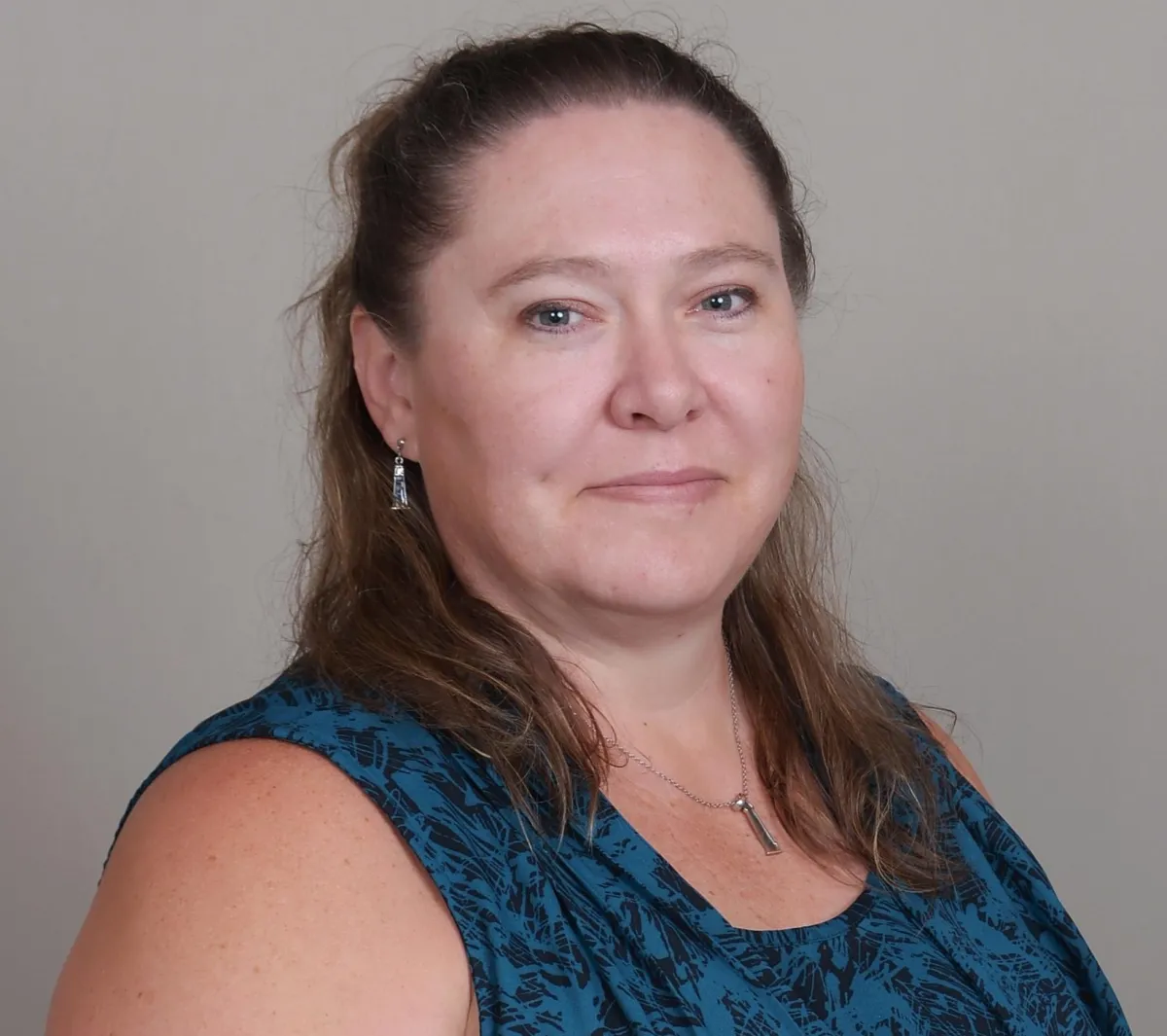
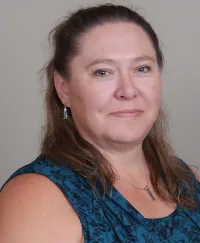
Deidre Gestrin
Consultant, Speaker, Author, & Trainer
With over 20 years specializing in stress, trauma, burnout recovery, and behavioral health leadership, Deidre Gestrin helps professionals and organizations create sustainable performance without sacrificing health, purpose, and people.
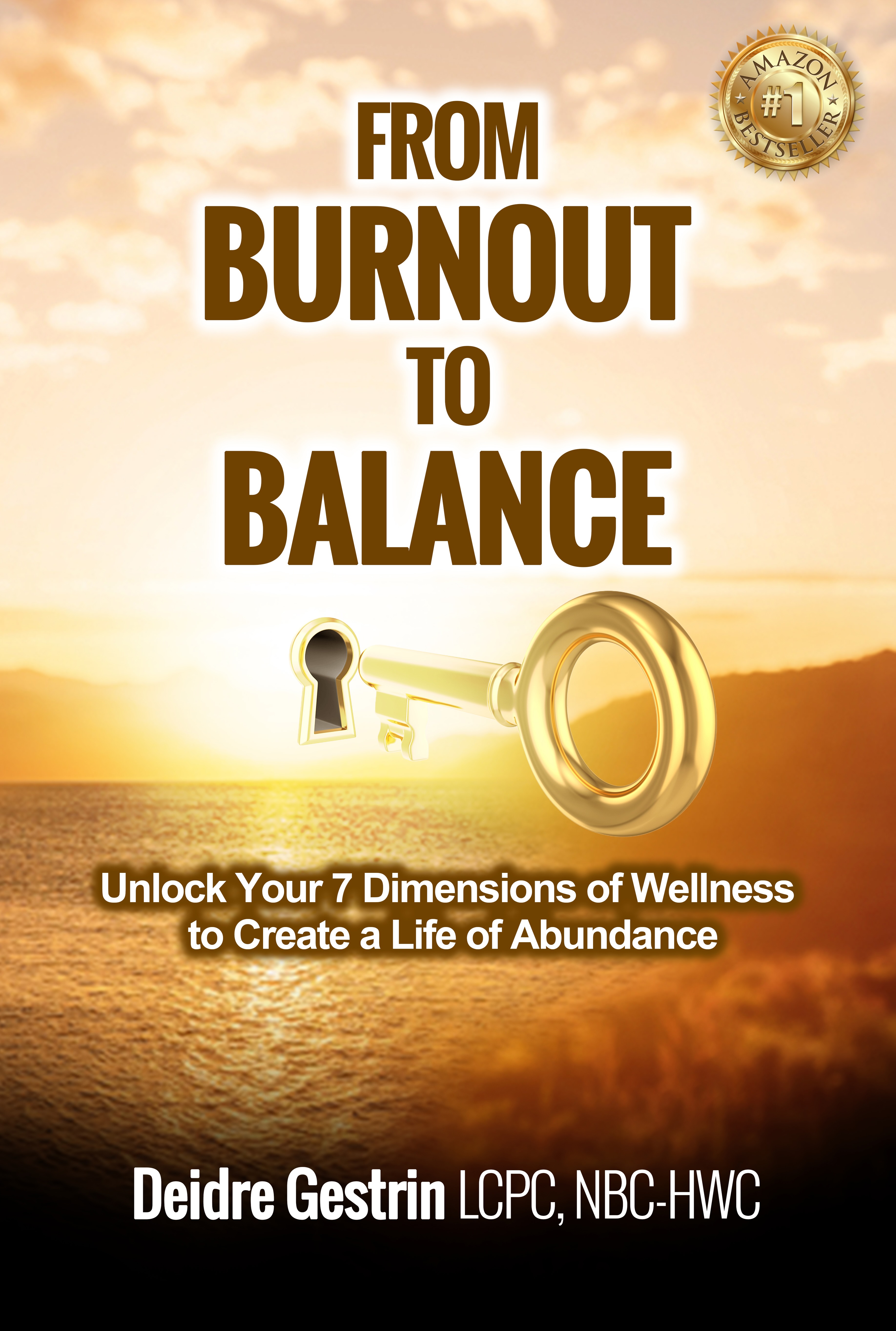
Deidre is also the author of:
From Burnout to Balance: Unlock Your 7 Dimensions of Wellness to Create a Life of Abundance
Trusted Across Clinical and Organizational Settings
Experience includes behavioral health leadership with a focus on developing high-performing teams, strengthening workforce resilience, and enhancing clinical supervision.
Expertise in program design, system optimization, and telehealth enables scalable, efficient care delivery that supports both organizational performance and individual well-being.
Helping Professionals & Organizations Recover, Stabilize, and Perform Sustainbly
Healthcare professionals, executives, entrepreneurs, and high-achievers experiencing burnout, chronic stress, compassion fatigue, emotional exhaustion, loss of purpose, and work-life imbalance.
Healthcare and behavioral health organizations struggling with employee burnout, turnover, disengagement, unstable workforce performance, leadership strain, and rising operational costs.
High Pressure teams seeking healthier workplace culture, stronger communication, sustainable performance systems, leadership resilience, and workforce stability.
Burnout Recovery for High-Achieving Professionals
Burnout doesn't just affect your work.
It affects your energy, focus, relationships, sleep, health, and sense of purpose.

Through the The Sustainable Performance System™, professionals learn how to:
restore energy without stepping away from their career
regulate chronic stress and overwhelm
reconnect with purpose and clarity
create success without sacrificing their health or family
Organizational Burnout Consulting for Sustainable Workforce Performance
Burnout inside organizations leads to higher turnover, disengaged employees, leadership fatigue, increased insurance costs, and operational instability.

Through the The Sustainable Workforce System™, organizations learn how to:
strengthen leadership systems
improve team cohesion & reduce workforce burnout
stabilize operational performance
build healthier workplace culture
Real Results From Professionals & Organizations
"Deidre was able to help me get my clinical spark back!"
Beth Derickson
LCSW | Missouri

"I feel like I’m at a 90% success rate now."
Chris Grad
Business Owner, Entrepreneur | Idaho

"Deidre helped me get to the point where I am today."
Michelle Schmutzler
Psychiatric Tech Worker | Idaho
Sustainable Success Shouldn't Require Self-Sacrifice
Whether you're a professional trying to recover from burnout or an organization working to stabilize workforce performance, sustainable success is possible.
The Sustainable Performance System™
(Burnout Recovery for Professionals)
The Sustainable Workforce System™
(Organizational Consulting)
Don't Miss Out!
Workplace Burnout & Sustainable Performance Resources
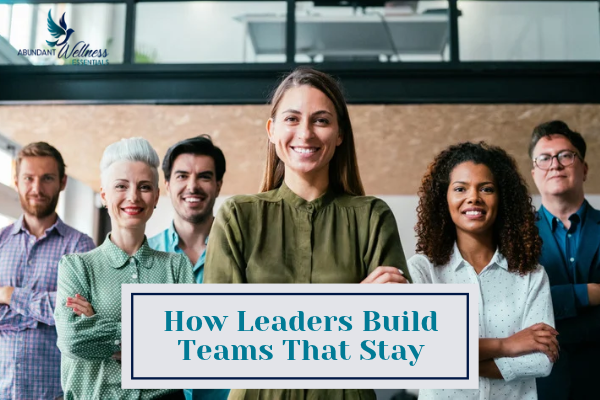
How Leaders Build Teams That Stay
How Leaders Build Teams That Stay (5 Questions to Ask Right Now)
You can't control every reason an employee leaves, but leaders have far more influence over whether people want to stay than many organizations realize.
Employees stay or leave because of leadership, not just workload. The workforce strategy consultation session is designed to help you pinpoint the root cause and figure out the first step toward change. This post wraps up a month we've spent exploring why good employees leave, what turnover actually costs, and now, what leaders can genuinely do about it.
5 Questions Every Leader Needs to Ask
On the surface, organizations want low turnover, stable teams, and better performance. But we have to go deeper than that surface wish list. Here are five questions worth asking if you're seeing high turnover, low performance, or a culture and team that feels unstable.
Do employees know what matters most? Some employees don't actually know what the true mission is, and they don't feel bought into it.
Do employees have realistic capacity to accomplish their role toward the mission? Expecting output without the capacity to produce it sustainably sets everyone up to struggle.
Can they safely say when something isn't working? Most employees don't speak up, not because they don't notice problems, but because it doesn't feel safe to say so.
Do leaders fix chronic problems, or normalize them? I hear the phrase “it's just the way it is,” constantly. It doesn't have to be.
Do employees feel valued beyond what they produce? As a leader, are you valuing people for who they are and what they contribute, or only for their output?
Individual Differences Matter More Than We Admit
Underneath all of this, we have to recognize that everyone has a different personality, different strengths, different communication styles, and sometimes even an attachment style that shapes how they show up at work. These differences affect how employees experience pressure and leadership, and how they interact with their teammates. Support is not one size fits all.
Take personality style, using the Enneagram as one example. Someone with a seven personality often makes decisions and says yes out of a fear of missing out, wanting to feel connected, and saying yes becomes their way of securing that connection. Leaders need to find other ways to help that person feel seen, connected, and part of the team, rather than relying on their automatic yes.
The DiSC assessment is another tool, specifically for communication styles. Someone who scores as a D, dominant, wants direct and decisive communication. They're active, task oriented, confident, and driven by results and progress. If you're leading a D, you can't wrap feedback in fluff. They want direct feedback and clear direction on tasks.
Then layer in attachment style. Someone with a disorganized attachment style, both anxious and avoidant, wants connection, so they might say yes and lean in more often than necessary, leaving you wondering why they're always around. At the same time, they'll pull back, because trust doesn't come easily. Helping employees trust their leaders matters enormously here.
As leaders, we can't expect everyone to take feedback and guidance the same way. People want to feel seen and want to feel part of the team, and we have to take these individual differences into account.
It can genuinely help to have your team complete the same personality assessment, or run everyone through DiSC for communication styles, so you can start to see the personalities at play and help people reach their potential based on who they actually are, not just the tasks assigned to their role.
The Three Part Approach to Building Strong Teams
This is exactly what we work on in the Sustainable Workforce Method™.
We talk about leadership strategy, specifically how to change operations so both the team and the company can thrive.
We build team cohesion using these personality assessments and communication style exercises, helping people genuinely understand each other and communicate better.
And we build workforce resilience, because every individual in the organization needs resources and skills for managing stressful situations, since those situations will happen regardless.
We can't change what's happening in the operations and the organization if we only focus on one of these three pieces. All three are essential, and together they make up the Sustainable Workforce Method™.
What This Actually Looks Like When You Put It Into Practice
When teams know leaders are changing and systems are changing, team function improves, and it works because we're not simply telling employees to manage their stress better. When we actively examine how we lead and how operations impact everything, and change what needs to change, employees start to feel heard and seen and part of the team. That's what actually shifts culture.
How This Played Out at the Psychiatric Hospital
Across the last three blog posts, we’ve explored different pieces of the story from the psychiatric hospital I worked at, and you might go back and read those if you haven't, because they're all interconnected. Here's what happened once we focused on the root cause, worked on operations, and implemented all three aspects of this approach.
Employees started feeling like part of the team, and their opinions mattered enough that they started sharing them more. They felt like they had clear direction, because they were educated on how to do their jobs more effectively, including how to respond to specific behaviors and situations.
When we explained why we were changing certain operations, it made sense to them, and they got on board, because we weren't just telling them what to do. We were bringing them along as part of a collaborative team, educating them on why things needed to change, and then training them on how to do it differently.
Employees became more invested and engaged, and they started asking leaders questions. What came out of that shift was remarkable. We could start admitting kids again. We could start rebuilding the operations and the organization itself. The hospital wasn't stuck in constant crisis mode anymore. There was a revived energy and relief you could genuinely feel the moment you walked in.
One Question to Ask Yourself
What's one source of constant strain your employees have repeatedly told you about that hasn't been resolved? If they keep asking about it, there's a reason they keep bringing it up. And if you've known the answer but felt stuck on where to start, especially with the real constraints of external requirements like insurance companies or state laws, I encourage you to schedule a workforce strategy consultation to talk through what that first step might look like while keeping you in compliance.
This month we've covered why good employees leave, how turnover often points to deeper operational conditions, the real financial costs those conditions carry, and leadership's crucial role in changing all of it. If this resonated, stay tuned, because next month we're moving into the psychology of stress and burnout at the individual level, because it's all connected. Operations are only part of the picture.
As Seen In

© 2026 Abundant Wellness Essentials. All Rights Reserved.