Burnout Recovery Coach and Workforce Performance Consultant Across the United States


Recover From Burnout Without Sacrificing Success
Helping professionals recover from burnout and helping organizations reduce workplace burnout through sustainable performance strategies that support long-term success.
For Professionals
For Organizations
Consultant • Speaker • Author • Trainer
Trusted Across Healthcare, Behavioral Health & Organizational Leadership
Burnout is No Longer an Individual Problem - It's a Workforce Performance Crisis
High-achieving professionals are exhausted.
Organizations are losing experienced employees faster than they can replace them.
Leaders are being asked to maintain performance inside systems that are no longer sustainable.
Workplace burnout affects...
Employee retention.
Organizational culture.
Leadership capacity.
Healthcare costs.
Productivity.
Long-term workforce stability.
The traditional model of success - pushing harder, working harder, and sacrificing personal well-being is breaking people and weakening organizations.
Sustainable performance requires a different apprach.
Trusted Burnout Recovery & Workforce Performance Expert

Deidre Gestrin
Consultant, Speaker, Author, & Trainer
With over 20 years specializing in stress, trauma, burnout recovery, and behavioral health leadership, Deidre Gestrin helps professionals and organizations create sustainable performance without sacrificing health, purpose, and people.
Deidre is also the author of:
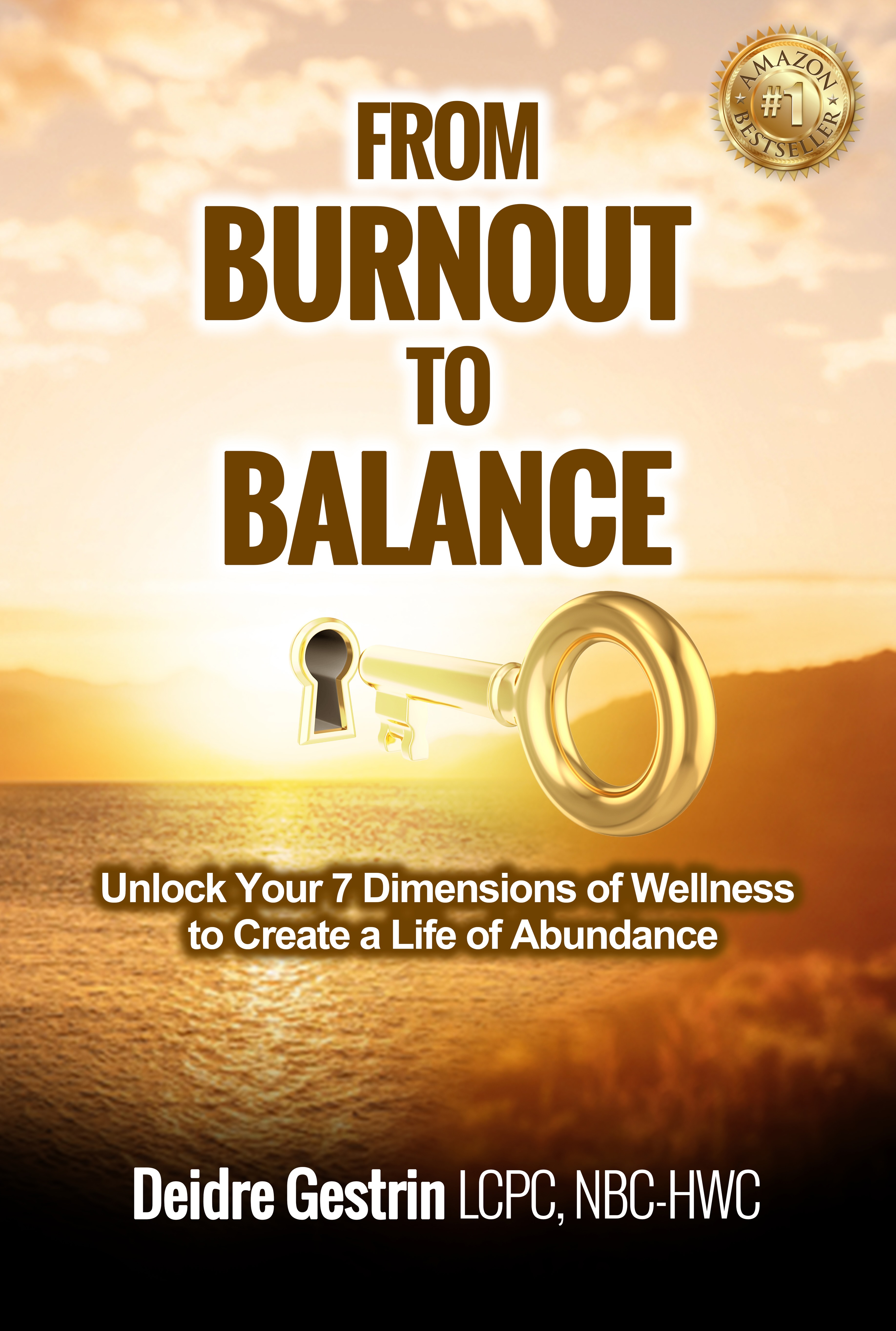
From Burnout to Balance: Unlock Your 7 Dimensions of Wellness to Create a Life of Abundance
Trusted Across Clinical and Organizational Settings
Experience includes behavioral health leadership with a focus on developing high-performing teams, strengthening workforce resilience, and enhancing clinical supervision.
Expertise in program design, system optimization, and telehealth enables scalable, efficient care delivery that supports both organizational performance and individual well-being.
Helping Professionals & Organizations Recover, Stabilize, and Perform Sustainbly
Healthcare professionals, executives, entrepreneurs, and high-achievers experiencing burnout, chronic stress, compassion fatigue, emotional exhaustion, loss of purpose, and work-life imbalance.
Healthcare and behavioral health organizations struggling with employee burnout, turnover, disengagement, unstable workforce performance, leadership strain, and rising operational costs.
High Pressure teams seeking healthier workplace culture, stronger communication, sustainable performance systems, leadership resilience, and workforce stability.
Burnout Recovery for High-Achieving Professionals
Burnout doesn't just affect your work.
It affects your energy, focus, relationships, sleep, health, and sense of purpose.

Through the The Sustainable Performance System™, professionals learn how to:
restore energy without stepping away from their career
regulate chronic stress and overwhelm
reconnect with purpose and clarity
create success without sacrificing their health or family
Organizational Burnout Consulting for Sustainable Workforce Performance
Burnout inside organizations leads to higher turnover, disengaged employees, leadership fatigue, increased insurance costs, and operational instability.

Through the The Sustainable Workforce System™, organizations learn how to:
strengthen leadership systems
improve team cohesion & reduce workforce burnout
stabilize operational performance
build healthier workplace culture
Real Results From Professionals & Organizations

"Deidre was able to help me get my clinical spark back!"
Beth Derickson
LCSW | Missouri

"I feel like I’m at a 90% success rate now."
Chris Grad
Business Owner, Entrepreneur | Idaho

"Deidre helped me get to the point where I am today."
Michelle Schmutzler
Psychiatric Tech Worker | Idaho
Sustainable Success Shouldn't Require Self-Sacrifice
Whether you're a professional trying to recover from burnout or an organization working to stabilize workforce performance, sustainable success is possible.
The Sustainable Performance System™
(Burnout Recovery for Professionals)
The Sustainable Workforce System™
(Organizational Consulting)
Don't Miss Out!
Workplace Burnout & Sustainable Performance Resources
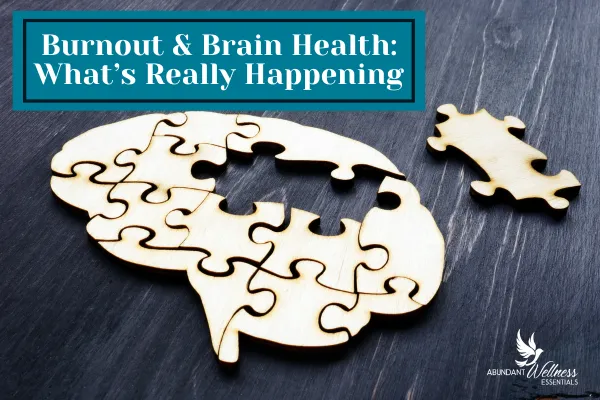
Burnout & Brain Health: What's Really Happening
Your Brain on Burnout: Why Exhaustion Isn't a Character Flaw
Have you ever wondered what's really happening inside your brain when you're burned out?
If you've been telling yourself, "I feel like I'm changing," or "I just can't think the way I used to," you're not imagining it. And you're certainly not weak.
Most people think burnout is purely emotional. It's not. Burnout is also neurological. Chronic stress physically changes how your brain functions, which is why no amount of willpower or "pushing through" seems to fix the exhaustion you're feeling.
Here's what I want you to hear before we go any further: if you've been operating in chronic stress for months or years, it is not your fault that you're exhausted. What you're experiencing is a physiological and neurological response, not a personal failing.
How Stress Hijacks Your Brain Function
When your body perceives stress, it doesn't distinguish between a difficult work meeting and a physically dangerous situation. Your nervous system reacts the same way: shifting into fight, flight, freeze, or fawn mode.
Here's what happens in that moment: the logical, problem-solving part of your brain, your prefrontal cortex goes offline. Why? Because your brain is designed to prioritize survival over long-term thinking. All your energy gets redirected to handle the perceived threat, which is also why digestion slows, focus narrows, and everything outside the immediate moment falls away.
This is brilliant when you're actually in danger. It's devastating when "danger" is your inbox at 9 a.m. every single day.
The Effect of Long-Term Stress on the Brain
When this stress response becomes chronic, the heart of the burnout cycle, the changes accumulate:
Reduced activity in focus and decision-making centers. Tasks that used to take five minutes now take twenty.
Increased emotional reactivity and irritability. I've cussed at a supervisor before I hit my own burnout wall. Not proud of it. But it makes neurological sense.
Impaired memory and recall. Your brain deprioritizes "non-essential" information when it's in survival mode.
Decline in motivation and creativity. Both go offline when your nervous system doesn't feel safe.
Mental fog. That hazy, can't-think-clearly feeling? It's cognitive overload, plain and simple.
Decision fatigue. Each decision feels heavier than the last.
This is the effect of burnout on the brain and it shows up powerfully in workplace stress contexts, especially burnout in healthcare and burnout in mental health professions, where the demands are relentless and the stakes feel constant.
Why Sleep Is Non-Negotiable for Brain Recovery
Without restorative sleep, your brain cannot detox, repair, or process the day. REM sleep is when your brain actively works through experiences, including trauma, so they don't keep occupying mental real estate.
This is why sleep is the first pillar in my sustainable performance program. Protect your sleep like your brain depends on it, because it does.
How to Help Your Brain Recover
Brain recovery isn't a single fix. It's a layered approach:
Reduce chronic stress exposure. Sometimes this is a mindset shift; sometimes it's a real boundary.
Restore healthy work rhythms. Nobody can sustain urgent-after-urgent indefinitely.
Build micro habits throughout your day. Small recovery cycles matter as much as vacations.
Re-engage restorative physical and mental practices. Movement releases cortisol. Nourishment supports brain function; yes, too many carbs can fuel that fog.
Honor real recovery cycles. Use your time off. That's what it's for.
You're Not Broken, You're Depleted
If you've been struggling with brain fog, constant exhaustion despite rest, or irritability over things that wouldn't normally bother you, these are signs your brain is asking for recovery.
Burnout isn't just emotional fatigue. It's a neurological response to chronic stress. And the path forward starts with understanding what's actually happening so you can respond to your body and brain with the care they need.
Take the Burnout Assessment below to know exactly where you are at and what you can do immediately to improve it.

As Seen In


© 2026 Abundant Wellness Essentials. All Rights Reserved.