Burnout Recovery Coach and Workforce Performance Consultant Across the United States


Recover From Burnout Without Sacrificing Success
Helping professionals recover from burnout and helping organizations reduce workplace burnout through sustainable performance strategies that support long-term success.
For Professionals
For Organizations
Consultant • Speaker • Author • Trainer
Trusted Across Healthcare, Behavioral Health & Organizational Leadership
Burnout is No Longer an Individual Problem - It's a Workforce Performance Crisis
High-achieving professionals are exhausted.
Organizations are losing experienced employees faster than they can replace them.
Leaders are being asked to maintain performance inside systems that are no longer sustainable.
Workplace burnout affects...
Employee retention.
Organizational culture.
Leadership capacity.
Healthcare costs.
Productivity.
Long-term workforce stability.
The traditional model of success - pushing harder, working harder, and sacrificing personal well-being is breaking people and weakening organizations.
Sustainable performance requires a different apprach.
Trusted Burnout Recovery & Workforce Performance Expert

Deidre Gestrin
Consultant, Speaker, Author, & Trainer
With over 20 years specializing in stress, trauma, burnout recovery, and behavioral health leadership, Deidre Gestrin helps professionals and organizations create sustainable performance without sacrificing health, purpose, and people.
Deidre is also the author of:
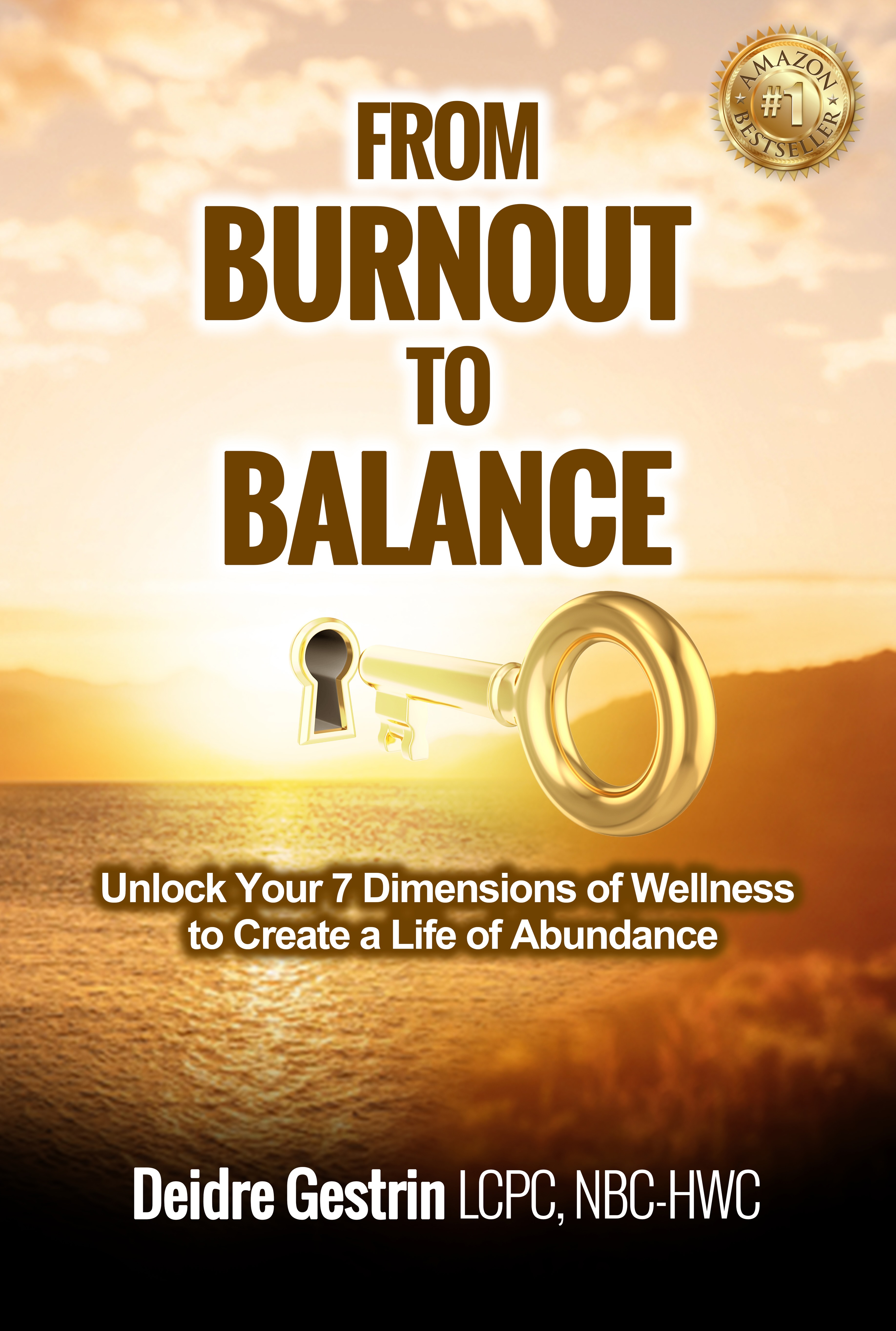
From Burnout to Balance: Unlock Your 7 Dimensions of Wellness to Create a Life of Abundance
Trusted Across Clinical and Organizational Settings
Experience includes behavioral health leadership with a focus on developing high-performing teams, strengthening workforce resilience, and enhancing clinical supervision.
Expertise in program design, system optimization, and telehealth enables scalable, efficient care delivery that supports both organizational performance and individual well-being.
Helping Professionals & Organizations Recover, Stabilize, and Perform Sustainbly
Healthcare professionals, executives, entrepreneurs, and high-achievers experiencing burnout, chronic stress, compassion fatigue, emotional exhaustion, loss of purpose, and work-life imbalance.
Healthcare and behavioral health organizations struggling with employee burnout, turnover, disengagement, unstable workforce performance, leadership strain, and rising operational costs.
High Pressure teams seeking healthier workplace culture, stronger communication, sustainable performance systems, leadership resilience, and workforce stability.
Burnout Recovery for High-Achieving Professionals
Burnout doesn't just affect your work.
It affects your energy, focus, relationships, sleep, health, and sense of purpose.

Through the The Sustainable Performance System™, professionals learn how to:
restore energy without stepping away from their career
regulate chronic stress and overwhelm
reconnect with purpose and clarity
create success without sacrificing their health or family
Organizational Burnout Consulting for Sustainable Workforce Performance
Burnout inside organizations leads to higher turnover, disengaged employees, leadership fatigue, increased insurance costs, and operational instability.

Through the The Sustainable Workforce System™, organizations learn how to:
strengthen leadership systems
improve team cohesion & reduce workforce burnout
stabilize operational performance
build healthier workplace culture
Real Results From Professionals & Organizations

"Deidre was able to help me get my clinical spark back!"
Beth Derickson
LCSW | Missouri

"I feel like I’m at a 90% success rate now."
Chris Grad
Business Owner, Entrepreneur | Idaho

"Deidre helped me get to the point where I am today."
Michelle Schmutzler
Psychiatric Tech Worker | Idaho
Sustainable Success Shouldn't Require Self-Sacrifice
Whether you're a professional trying to recover from burnout or an organization working to stabilize workforce performance, sustainable success is possible.
The Sustainable Performance System™
(Burnout Recovery for Professionals)
The Sustainable Workforce System™
(Organizational Consulting)
Don't Miss Out!
Workplace Burnout & Sustainable Performance Resources
How to Create a Sustainable Routine to Prevent Burnout | Expert Tips
How to Create a Sustainable Routine to Prevent Burnout | Expert Tips

How to Create a Sustainable Routine That Prevents Burnout
Have you ever wondered how burnout starts creeping back in? It's rarely a sudden crash—it's the small shifts in our daily habits that we barely notice until we're exhausted again.
The truth is, sustainable wellbeing starts with daily habits that protect you from burning out repeatedly. But here's what most people don't realize: it's not about adding more to your plate. It's about protecting the non-negotiables that keep you grounded.
The Warning Signs You're Missing
Burnout doesn't announce itself. It quietly slips in when you start skipping the things that matter most. For me, it happened when I stopped my morning workouts and devotional time because I wanted more sleep. I told myself I'd get back to them once I caught up on rest, but that day never came. If I had kept those practices as priorities, I might have avoided burning out for the third time.
Pay close attention to any small changes in your routine. When you stop doing the self-care activities that normally sustain you, burnout is usually right around the corner.
What Are Your Non-Negotiables?
Non-negotiables are the daily habits that must happen for your wellbeing—no exceptions. These aren't luxuries; they're essentials.
Your non-negotiables might include:
Waking up at the same time every day
Drinking adequate water
Moving your body daily
Spiritual practices that ground you
Quality sleep
The key is identifying what specifically helps you feel calm, happy, and energized, then protecting those activities fiercely.
Stop Sacrificing Sleep
Here's something I hear constantly: "I'll just stay up late to finish this report" or "I'll catch up on laundry after everyone goes to bed."
I understand—things need to get done. But when you sacrifice sleep to be productive, you're actually sabotaging yourself. Tasks take longer when you're tired. You make more mistakes. Everything feels harder.
When you prioritize sleep no matter what, you handle challenges more easily and complete tasks more efficiently. The irony? You'll actually get more done by sleeping more.
Building a Recovery Routine You'll Actually Stick To
Start by identifying what makes you feel calm, happy, and energized. You only need 15 minutes a day—or even just 5 minutes if that's all you can manage right now. Five minutes can make a world of difference.
For me, it's my morning walk and devotional time. Some days it's an hour; other days it's 20 minutes. The variation is fine—what matters is consistency.
Morning routines help you start the day grounded and calm. They set the tone for everything that follows.
Evening routines directly impact your sleep quality, which affects how you show up the next day. If creating both feels overwhelming, pick one. Start with either morning or evening, commit to 5-15 minutes, and stick with it for two weeks.
If it's helping, make it a non-negotiable.
The 80-20 Rule for Burnout Recovery
What you do 20% of the time intentionally results in 80% of your healing and energy restoration. I've seen this proven repeatedly with the people I've worked with.
Let's break down your 24 hours:
8 hours for sleep
8 hours for work
8 hours for everything else
Within those remaining 8 hours dedicated to family and personal time, you need 1 to 1.5 hours focused on preventing burnout. That includes movement, nutrition, spiritual practices, and anything else that restores you.
Start with 5 minutes if an hour feels impossible. Build gradually. The point is to be intentional about your recovery.
Here's what this might look like:
Morning: 15 minutes to an hour for walking, prayer, or meditation
Throughout the day: Five-minute breaks, 4-5 times daily, especially when concentration wanes
Evening: A 15-30 minute bedtime routine
Small pockets of intentional time throughout your entire day—from wake-up to bedtime—will help you recover and prevent burnout from returning.
What to Do When You Feel Burnout Creeping Back
First, reflect on whether you've fallen away from your daily habits and non-negotiables. This was my biggest mistake when I burned out for the third time.
If you're still maintaining your habits but feeling burnt out, ask yourself: When was the last time you took real time off from work? Remember, vacation doesn't mean going somewhere—it just means not working and taking care of yourself.
Track Your Energy Levels
Pay attention to how often you struggle to concentrate. Rate your energy on a scale of 0-5 or 0-10, with higher numbers indicating more energy.
On rest days, do you struggle to get off the couch? If so, your energy is being depleted too quickly during the week, and something needs to change.
The most important practice? Notice your current routine and what's working positively for you. Any small shift in those positive habits is a warning sign that you're heading toward stress or burnout again—and it's time to make a change.

As Seen In


© 2026 Abundant Wellness Essentials. All Rights Reserved.